Author: Brewing Solutions

  • Why National Beer Day Matters in India

    Why National Beer Day Matters in India

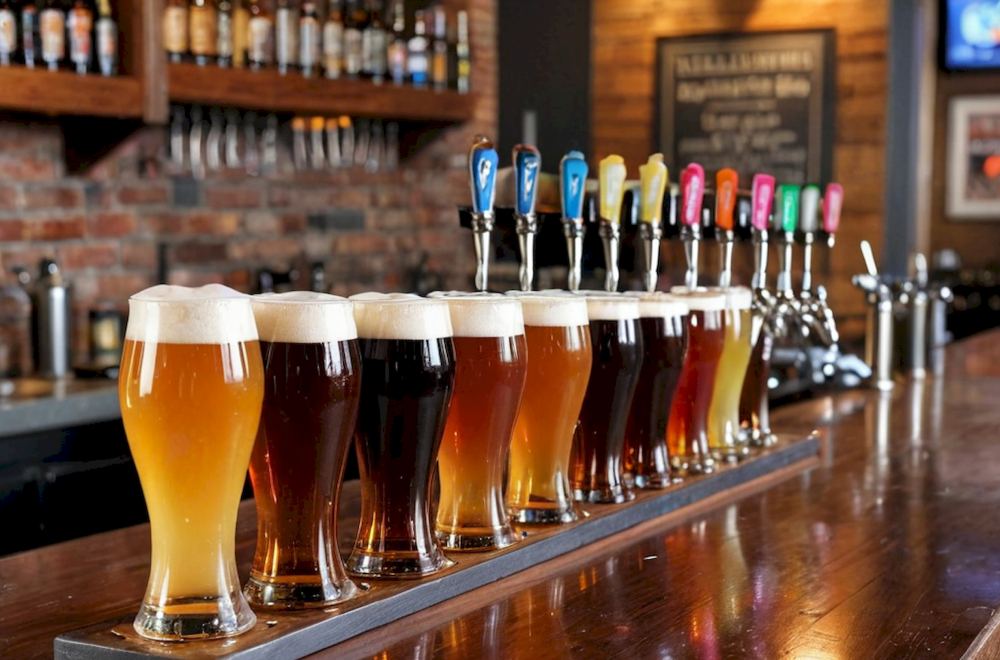
    Every year on April 7th, beer enthusiasts raise their glasses to celebrate National Beer Day, a tribute to the Cullen-Harrison Act of 1933 that legalized beer sales in the U.S. post-Prohibition. But this day isn’t just about cracking open a cold one—it’s a global nod to beer’s rich history, cultural impact, and the booming brewing industry. In India, where craft beer is taking cities like Bengaluru by storm, National Beer Day is an opportunity to explore how ancient traditions meet modern innovation. Whether you’re a casual drinker or a brewing aficionado, here’s your guide to celebrating beer like never before.

    The History of Beer – From 2050 BC to Your Glass

    Beer is one of humanity’s oldest creations, with recipes and trade records dating back to 2050 BC in Mesopotamia. Ancient Egyptians even used beer as currency! Fast-forward to today, and India’s beer scene is thriving, thanks to innovations by brewery equipment manufacturers and passionate craft brewers.

    Did You Know?

    • The world’s oldest known beer recipe was inscribed on a clay tablet in Sumeria.
    • Traditional Indian brews like “Handia” (fermented rice beer) have been enjoyed for centuries in tribal communities.

    National Beer Day vs. Other Beer Holidays

    Beer lovers are fortunate to have a plethora of reasons to raise their glasses throughout the year. However, National Beer Day on April 7th holds a special place due to its historical significance and global impact.

    A Quick Look at Other Beer Holidays

    • International Beer Day (First Friday of August): Celebrates brewers and beer workers worldwide with events that transcend borders.
    • National Drink Beer Day (September 28): A casual reminder to enjoy a refreshing brew with friends.
    • National Beer Lover’s Day (September 7): Dedicates a day to those who live and breathe beer, embracing every facet of its culture.
    • National Beer Can Appreciation Day (January 24): Highlights the convenience and innovative design behind canned beer.

    Why April 7th Stands Out

    April 7th marks a historical turning point—the end of Prohibition and the rebirth of beer culture in the United States, which in turn had a ripple effect across the globe. In India, this day resonates as a celebration of both the ancient legacy of brewing and the modern innovations that have transformed the industry. It’s the perfect day to embark on a microbrewery tour in Bengaluru, explore new craft beer flavors, or simply enjoy a well-earned pint.

    How to Celebrate National Beer Day Like a Pro

    There are many ways to commemorate National Beer Day, each offering its own unique experience. Here are some ideas to help you celebrate like a true beer connoisseur.

    1. Host a Beer Tasting Party
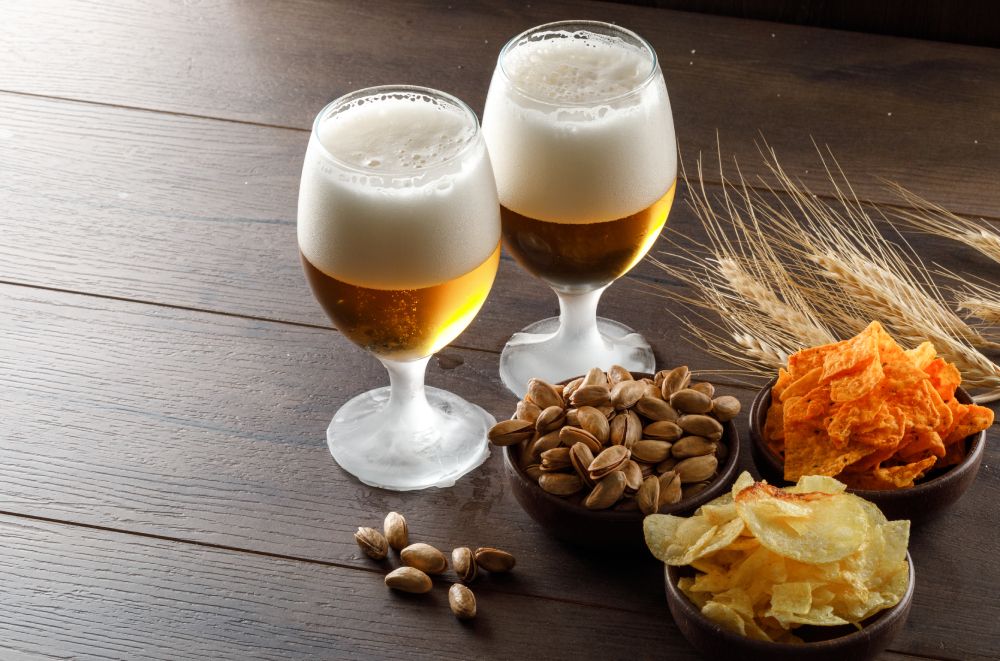
    Organize a gathering where friends and family can sample an array of local Indian craft beers. Enhance the experience by pairing each brew with regional snacks:

    • Spicy IPAs: Perfect with street foods like vada pav or kebabs.
    • Light Lagers: Pair beautifully with traditional treats like pakoras or fish fry.

    2. Tour a Microbrewery
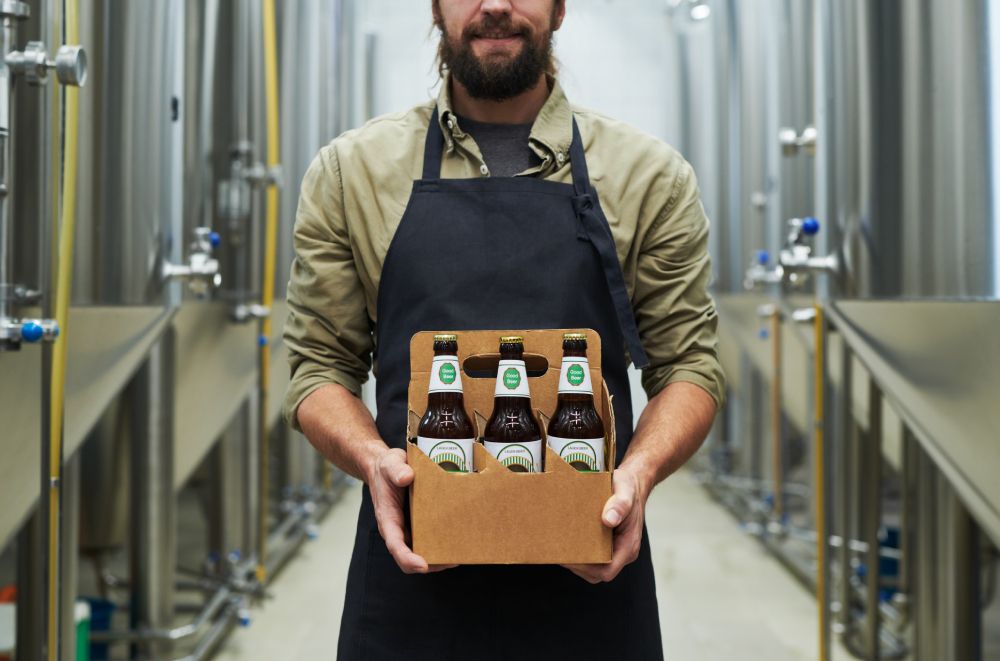
    Bengaluru’s microbreweries often offer behind-the-scenes tours where you can witness the brewing process firsthand. Ask about their state-of-the-art equipment, much of which is provided by local manufacturers specializing in systems tailored for India’s unique brewing environment.

    3. Try DIY Brewing
    For the adventurous at heart, home brewing can be a rewarding endeavor. Many local suppliers and brewery equipment manufacturers in Bangalore offer small-scale brewing kits and expert advice to help you kickstart your own brewing journey.

    Bengaluru – India’s Beer Capital & Its Microbrewery Boom

    Bengaluru, often dubbed the “Silicon Valley of India,” is not only a hub for technology and innovation—it is also the country’s undisputed beer capital. The city is home to more than 50 microbreweries, each offering a unique take on craft beer that has won the hearts of both locals and tourists. Bengaluru’s dynamic brewing culture is a perfect illustration of how technology and tradition can coexist to create a thriving industry.

    Behind Bengaluru’s microbrewery boom are state-of-the-art brewing systems, many of which are supplied by local brewery equipment manufacturers In India. These manufacturers not only cater to the specific needs of the tropical climate but also ensure that the quality and consistency of every brew meet the highest standards.

    Fun Beer Facts to Impress Your Friends

    Looking for some quirky tidbits to share at your next beer tasting party? Here are a few fun facts guaranteed to spark conversation:

    • The Strongest Beer: Snake Venom, brewed in the UK, boasts a whopping 67.5% ABV, making it one of the strongest beers in the world.
    • Cenosillicaphobia: This tongue-in-cheek term refers to the fear of an empty beer glass.
    • India’s First Microbrewery: The craft brewing revolution in India was kick-started by Howzatt, which opened its doors in Pune in 2008, setting the stage for the industry’s rapid growth.

    Raise Your Glass to India’s Beer Renaissance

    National Beer Day isn’t just a celebration—it’s a reminder of how far beer has come, from ancient clay pots to Bengaluru’s stainless-steel microbreweries. Whether you’re sipping a classic lager or a bold IPA, take a moment to appreciate the craftsmanship behind every drop. And if you’re inspired to join the revolution, reach out to brewery equipment manufacturers in Bangalore to start your brewing journey.

    Cheers to beer, history, and the innovators who make it all possible! ????

    FAQ Section (Embedded)

    Q: Why is Bengaluru India’s beer capital?
    A: Its pleasant climate, tech-savvy crowd, and thriving microbrewery culture make it a hotspot.

    Q: Where can I find brewery equipment suppliers in India?
    A: Search for “brewery equipment manufacturers in India” or “brewery equipment manufacturers in Bangalore” for local options.

    Q: How is National Beer Day different from International Beer Day?
    A: The former marks the end of U.S. Prohibition, while the latter celebrates global beer workers.

  • AI-Generated Beer Recipes: Gimmick or Game-Changer?

    AI-Generated Beer Recipes: Gimmick or Game-Changer?

    The world of brewing is always on the lookout for the next big innovation. From traditional methods passed down through generations to cutting-edge technology that revolutionizes the craft, every brewer dreams of creating that perfect pint. Today, AI-generated beer recipes are making waves, sparking both excitement and skepticism. In this blog, we will explore how artificial intelligence is influencing the craft beer scene, why it matters in India, and how brewery equipment suppliers in India and brewery equipment suppliers in Delhi can support this new trend.

    Understanding AI-Generated Beer Recipes

    AI, or artificial intelligence, refers to computer systems capable of learning from data and making decisions or predictions. In the beer brewing context, AI can analyze massive amounts of information—like existing recipes, hop varieties, yeast strains, and flavor profiles—to suggest new beer recipes. It can also fine-tune brewing processes by monitoring temperatures and fermentation stages.

    So how does an AI-generated beer recipe work? Brewers feed data into specialized software, which then uses machine learning algorithms to propose a recipe that balances bitterness, sweetness, alcohol content, aroma, and flavor. The AI even takes into account feedback from taste tests or user reviews. The goal is to help brewers innovate more quickly while reducing the guesswork that sometimes comes with experimenting

    Potential Benefits of AI in Brewing

    1. Faster Innovation
      Traditional brewing experimentation can be time-consuming. AI can speed up the process by analyzing patterns and giving near-instant suggestions, saving brewers months of trial and error.
    2. Consistency and Quality Control
      Even minor changes in temperature or ingredient ratios can affect the final brew. AI-powered brewing systems help maintain consistent quality by automatically adjusting variables in real-time.
    3. Cost Efficiency
      By predicting which recipes are more likely to succeed, AI can help minimize waste. Fewer failed batches mean less money spent on discarded ingredients and production time.
    4. Data-Driven Insights
      AI can combine sales data, customer reviews, and global brewing trends. This makes it easier for craft breweries to understand what consumers really want—from fruity IPAs to robust stouts.

    Challenges and Concerns

    1. Loss of Artistry
      Brewing beer has long been considered a craft, a blend of science and art. Some worry that relying on AI might remove the “personal touch” that makes craft beer so special.
    2. Initial Investment
      Adopting new technology often comes with a cost. Many small brewers might be hesitant to invest in AI-based systems, even if it means potential long-term savings.
    3. Data Quality
      AI is only as good as the data it’s trained on. If the data is limited or biased toward certain styles, the recommended recipes might lack variety or miss local preferences.

    The Indian Context: Rising Craft Beer Scene

    India’s craft beer industry has seen impressive growth in recent years. Beer enthusiasts are showing an increasing preference for unique flavors, local ingredients, and artisanal quality. This is where brewery equipment suppliers in India step in, offering a wide range of modern solutions that can integrate seamlessly with AI-driven processes.

    In places like Delhi, Mumbai, and Bangalore, microbreweries are booming. Brewers are eager to stand out with signature flavors and experimental recipes. AI-generated beer recipes could be a perfect fit for these innovators, helping them stay ahead of the curve.

    How Brewery Equipment Suppliers in India Support AI-Driven Brewing

    Whether you are a startup microbrewery or an established craft brewer, working with best brewery equipment suppliers  who understand AI integration is crucial. Suppliers who have experience with advanced brewing systems can offer:

    • Tailored Equipment Packages: From fermentation tanks with real-time monitoring to automated cleaning systems, modern brewery equipment can gather data and adjust parameters with minimal human intervention.
    • Training and Maintenance Support: Reliable brewery equipment suppliers in Delhi and other major cities not only provide the hardware but also offer training on how to use these AI-compatible systems effectively. This includes software updates and ongoing maintenance to ensure consistent operation.
    • Scalable Solutions: As your brewery grows, so do your equipment needs. Many suppliers now offer scalable technology solutions that can expand alongside your brewing ambitions.

    Embracing AI Without Losing Craft

    The key to making AI-generated beer recipes work is to strike a balance between automation and artistry. While AI can suggest recipes and optimize processes, human skill and creativity remain irreplaceable. Brewers must still make final adjustments and taste-test the product to ensure it meets their vision. The AI system essentially becomes a high-tech assistant, offering ideas but not overshadowing the brewer’s unique style.

    Tips for Brewers Considering AI

    1. Start Small
      If you’re new to AI, begin with simple analytics tools that track temperature, pH levels, or fermentation progress. Gradually move to recipe generation once you feel comfortable.
    2. Partner Wisely
      Collaborate with brewery equipment suppliers in Delhi or other areas who have a proven track record. Look for suppliers who can provide you with both high-quality equipment and dependable software solutions.
    3. Stay Open-Minded
      Be prepared for surprises. AI might suggest flavor combinations you’d never consider. This is part of the fun and innovation that makes craft beer appealing.
    4. Keep the Human Element
      At the end of the day, your personal touch—taste tests, creative flair, and passion—remains central to brewing. Use AI as a guide, not a complete replacement.

    Conclusion: Gimmick or Game-Changer?

    So, are AI-generated beer recipes a gimmick, or do they signal a new era in brewing? The answer lies somewhere in between. AI can be a powerful tool that helps brewers innovate, maintain consistency, and save costs. However, it can never fully replace the personal craftsmanship that gives each beer its soul.

    For those in India’s growing craft beer scene, AI holds promise. It offers a way to stand out in a competitive market and keep pace with global trends. By partnering with trusted brewery equipment suppliers from Delhi, breweries can embrace AI technology without compromising on the quality and passion that define craft beer. If you’re a brewer ready to take the leap, consider dipping your toes into the world of AI-driven innovation. Who knows? You might just find your next award-winning brew.

    Looking to explore AI-optimized brewing solutions further?
    Visit microbreweryindia.com to learn more about modern brewing equipment, AI integration, and expert support for your craft beer journey.

  • The Ultimate Guide to Flying with Beer: Tips for Packing Craft Brews in Checked Luggage

    The Ultimate Guide to Flying with Beer: Tips for Packing Craft Brews in Checked Luggage

    Craft beer enthusiasts and microbrewery owners often face a common challenge: transporting their prized brews safely by air. Whether you’re sharing unique flavors from a beer fermenter in India or showcasing brews at an international event, flying with beer requires meticulous planning. This guide delivers actionable tips to ensure your beer arrives intact, while seamlessly integrating insights from brewery plant suppliers in Bangalore and beer canning manufacturers.

    Why Fly with Beer?

    Craft beer is more than a beverage—it’s an experience. Transporting it allows brewers to expand their reach, collaborate globally, or simply share a taste of local craftsmanship. However, airlines, security checks, and temperature fluctuations pose risks. Let’s navigate these challenges together.

    1. Know the Regulations: Avoid Costly Surprises

    Airline Policies & Customs

    • Checked Luggage Only: Most airlines prohibit alcohol in carry-ons. Check limits (typically 5 liters per passenger) and declare bottles to avoid confiscation.
    • Indian Customs: Returning to India? Duty-free allowances cap at 2 liters of alcohol. Exceeding this may incur taxes.

    Additionally, different countries have varying regulations regarding alcohol imports. If you’re flying internationally, research the customs policies of both your departure and arrival destinations to avoid issues. Some countries impose heavy fines on undeclared alcohol, so always keep proof of purchase and be transparent during customs checks.

    Pro Tip: Print your airline’s alcohol policy and keep receipts for purchased beer.

    2. Choose the Right Containers: Cans vs. Bottles

    Why Cans Rule for Travel

    Cans are lightweight, airtight, and shatterproof. Partnering with a reliable beer canning manufacturer ensures durability and preserves flavor. For breweries, canned beers are ideal for distribution and travel.

    Bottles: Handle with Care

    If using glass, opt for thick-walled bottles. Wrap each in bubble wrap and seal in waterproof bags.

    Glass bottles, while traditional, pose a significant risk due to breakage. If you must travel with bottles, use specialized beer travel cases or inserts designed to keep them secure. Always ensure your beer is packaged to withstand turbulence, pressure changes, and rough handling by baggage handlers.

    Did You Know? Many brewery plant suppliers in Bangalore offer canning solutions tailored for craft breweries!

    3. Master the Art of Packing

    Step-by-Step Guide

    1. Cushioning: Use foam sleeves or clothing to pad bottles/cans.
    2. Waterproofing: Double-bag brews in Ziploc bags to contain leaks.
    3. Boxing: Place bottles upright in a sturdy box, filling gaps with packing peanuts.
    4. Labeling: Mark “Fragile” and “This Side Up” to encourage careful handling.

    For extra protection, consider using a hard-shell suitcase instead of a soft one. A durable, impact-resistant case provides an additional layer of security. If you are carrying a large quantity of beer, distributing the weight evenly across multiple bags can help prevent overloading and potential breakage.

    4. Manage Weight and Space

    Airlines impose strict weight limits (usually 23–32kg). Distribute beer across multiple bags to avoid excess fees. Use lightweight materials like vacuum-sealed bags for clothing padding.

    Keep in mind that exceeding weight limits can result in expensive overage fees. Always weigh your luggage before heading to the airport to avoid surprises. Additionally, compact and efficient packing techniques will help you maximize available space while ensuring your beer is safely stowed.

    5. Tackle Temperature Swings

    Extreme heat or cold can ruin beer. Insulate your luggage with reflective foam or thermal wraps. For long flights, consider gel packs (frozen solid to comply with TSA rules).

    Temperature fluctuations can cause beer to expand or contract, affecting its quality and carbonation. If you are traveling in extreme climates, try to retrieve your luggage as soon as possible after landing to prevent unnecessary exposure. Always check the storage conditions at your destination if you’re keeping the beer for an extended period.

    6. Insure and Document Your Shipment

    High-value brews? Opt for travel insurance covering alcohol. Photograph your packed luggage and retain purchase proofs for claims.

    Some airlines provide optional baggage insurance, which may be worth considering if you are carrying a particularly valuable selection of craft beers. Keeping track of your beer inventory with a detailed list will also help with claims processing in case of damage or loss.

    7. Brewing Your Own Beer? Start with Quality Equipment

    Crafting travel-ready beer begins with reliable gear. A beer fermenter in India from trusted suppliers ensures consistent fermentation, while partnering with a beer canning manufacturer streamlines packaging.

    Investing in high-quality brewing equipment is crucial for achieving consistent results. Many professional brewers rely on brewery plant suppliers in Bangalore for advanced fermenters, bottling, and canning solutions. Upgrading your equipment can help improve the longevity and quality of your craft beer, making it more travel-friendly.

    Industry Insight: Bangalore, India’s tech and craft beer hub, hosts leading brewery plant suppliers in Bangalore offering end-to-end solutions—from fermenters to canning lines.

    Conclusion: Fly Confidently with Craft Beer

    Packing beer for flights demands attention to detail, but the reward—sharing your craft with the world—is worth it. By following these tips you’ll ensure your brews land safely.

    Ready to Scale Your Brewery? Explo0re collaborations with top beer canning manufacturers and elevate your brand’s reach today!

    Engage with Us: Have more questions about flying with beer or sourcing brewery equipment? Contact Microbrewery India for expert guidance!

  • The Rise of Low-Alcohol Beers: Perfect for Summer Sipping

    The Rise of Low-Alcohol Beers: Perfect for Summer Sipping

    Summer is the season of sunshine, fun gatherings, and refreshing beverages. Nothing quite beats the heat like a chilled beer, but in recent years, the beer landscape has evolved significantly to cater to diverse preferences. One noteworthy trend is the growing popularity of low-alcohol beers, which are winning the hearts of beer enthusiasts who seek a more moderate alcohol content without compromising on flavor. From craft breweries experimenting with unique brewing techniques to established breweries adding new low-ABV (Alcohol By Volume) options to their portfolios, this shift has become a global phenomenon. In India, where microbreweries are on the rise, low-alcohol beers are gaining traction as an ideal choice for the summer months.

    In this blog post, we will explore:

    1. What defines low-alcohol beers and why they’re perfect for summer
    2. The brewing process behind them
    3. Why they’re an excellent fit for the Indian market
    4. How breweries can manage the beer plant machinery cost in India while tapping into this growing trend

    So, grab your favorite chilled brew—low-alcohol or otherwise—and read on to discover what makes low-alcohol beers so appealing.

    Understanding Low-Alcohol Beers

    Low-alcohol beers, sometimes known as “session beers,” typically have an ABV range between 0.5% and 3.5%. These beers are crafted to provide the traditional beer experience—aromas, flavors, and mouthfeel—while containing significantly less alcohol compared to standard beers, which often hover between 4.5% and 7% ABV.

    • Flavor and Variety: Contrary to popular belief, low-alcohol does not mean low in taste. Craft brewers and microbreweries work tirelessly to infuse new and exciting flavor profiles into these brews. Techniques like dry-hopping, specialty malts, and unique yeast strains ensure that each sip is bursting with complexity.
    • Session Drinking: “Session” refers to the ability to enjoy several beers in a single “session” without feeling overly intoxicated. This concept has become popular for daytime events, summer barbecues, and social gatherings where a refreshing beverage is preferred without the heaviness of higher-alcohol options.
    • Health-Conscious Options: An increasing number of consumers are becoming mindful of their alcohol intake. Low-alcohol beers allow them to indulge in beer culture without overdoing it. They often contain fewer calories, making them appealing to those looking to maintain a balanced lifestyle.

    Perfect for the Sweltering Indian Summer

    India’s climate, especially during summer, is hot and humid in most regions. It is during these months that the demand for light, refreshing beverages surges. Low-alcohol beers perfectly fit the bill. Here’s why:

    • Refreshing Quality: Low-alcohol beers are typically crisp and light-bodied. They often feature a delicate balance of malts and hops, making them both flavorful and easy-drinking—traits well-suited for hot weather.
    • Hydration Factor: While beer isn’t a substitute for water, lower-alcohol variants are less dehydrating compared to high-alcohol beverages. This makes them a better choice for those long, sunny days.
    • Versatility in Pairing: With India’s diverse cuisine, pairing the right beer with a meal can elevate the dining experience. Low-alcohol beers, being lighter on the palate, complement a wide range of dishes—from spicy curries to grilled seafood—without overpowering the food’s flavors.

    Brewing Low-Alcohol Beers: Techniques and Challenges

    Brewing a flavorful low-alcohol beer is a careful balancing act. Here are some common techniques that breweries employ:

    1. Malt Selection: Brewers often opt for specialty malts that impart distinct flavors and aromas without significantly boosting alcohol content.
    2. Yeast Strains: Specialized yeast strains can help reduce alcohol production while still developing nuanced profiles of esters and phenols.
    3. Mash Temperature Control: Carefully controlling mash temperatures influences the fermentable sugars in the wort. This can naturally limit the final ABV.
    4. Dilution Methods: Another approach involves brewing a higher-ABV beer and then blending or diluting it to reach a lower ABV. However, this requires precision to maintain flavor integrity.

    The challenge lies in retaining the beer’s character, body, and taste while keeping the alcohol content low. Consumers expect the same craft and quality in a low-alcohol brew as they do in a standard one. With the right equipment, ingredients, and knowledge, breweries can rise to the occasion.

    Low-Alcohol Beers and the Indian Market

    India’s craft beer scene has been gaining momentum for the past decade. Microbreweries are sprouting up in major cities like Bengaluru, Mumbai, Delhi, and beyond. As consumers become more adventurous and health-conscious, the appetite for diverse styles of beer, including low-alcohol options, is on the rise.

    Some market trends supporting low-alcohol beers in India:

    • Urban Lifestyles: City dwellers often prefer a social drink that doesn’t tip them into drunkenness, making low-alcohol beers a safer, more sociable choice.
    • Evolving Palates: Indian consumers are now exploring beers beyond the traditional strong lager segment, seeking craft experiences that appeal to their evolving taste buds.
    • Regulatory Advantages: With lower ABV, there can be different tax or licensing considerations, potentially offering breweries some cost benefits.

    Popular Indian Brands Producing Low-Alcohol Beer

    As demand for lighter, healthier beer options grows, several Indian brands and breweries are crafting low-alcohol beers to cater to this trend. Here are some notable names:

    1. Bira 91 Light
      A sessionable beer at around 4% ABV, Bira 91 Light is a refreshing, easy-to-drink option that pairs well with a variety of cuisines.
    2. Kingfisher Radler
      A malt-based beverage mixed with lemon juice, Kingfisher Radler is a low-alcohol or non-alcoholic option for those seeking a light, beer-like drink.
    3. Coolberg
      Known for its non-alcoholic malt beverages, Coolberg offers flavors like Peach, Strawberry, and Ginger, catering to the zero-alcohol crowd.
    4. White Owl Spark
      White Owl’s Spark range includes light, crisp beers with lower alcohol content, ideal for summer and social gatherings.
    5. Gateway Brewing Co.
      This Mumbai-based microbrewery often experiments with session IPAs and low-ABV wheat ales, offering lighter options for beer enthusiasts.

    Keep an eye on local brewpubs and emerging craft brands for new releases!

    Managing the Beer Plant Machinery Cost in India for Low-Alcohol Brews

    One pivotal aspect that microbreweries and breweries in India must consider when diving into this trend is the beer plant machinery cost in India. Setting up a brewing plant involves various components, such as brew kettles, fermentation tanks, chilling systems, and packaging lines. When venturing into low-alcohol beer production, certain adjustments and additional equipment may be required.

    • Upgraded Fermentation Tanks: Specialized tanks may be necessary to precisely control temperatures and pressures, ensuring the yeast activity is optimal for low-ABV outcomes.
    • Filtration and Stabilization Equipment: Low-alcohol beers can be more susceptible to off-flavors if not filtered and stabilized correctly. High-quality filtration systems are crucial.
    • Quality Control Labs: To maintain consistency and flavor profile, having an in-house lab or access to testing facilities is vital. This ensures each batch meets quality standards, especially crucial for low-alcohol beers, where flaws are more noticeable.
    • Automation for Consistency: Automated systems can help maintain temperature and pressure control, reducing batch-to-batch variations. Though it may increase initial costs, automation often pays for itself by saving time, reducing waste, and ensuring consistent quality.

    Partnering with experienced equipment manufacturers who understand both the Indian market and global brewing standards can also provide a clearer estimate of the beer plant machinery cost in India.

    Marketing Low-Alcohol Beers

    Once the production hurdles are overcome, marketing low-alcohol beers effectively is the next challenge. Here are a few strategies:

    1. Highlight Health and Wellness Benefits: Emphasize lower calorie counts, reduced alcohol content, and responsible consumption. This resonates with health-conscious consumers.
    2. Flavor First: Showcase the unique flavors and craft behind each brew. Many consumers still associate “low-alcohol” with blandness—dispel this myth by spotlighting the beer’s taste and aroma.
    3. Engage in Beer Education: Host tasting sessions, brewery tours, and collaborations with local chefs to demonstrate how these beers can complement different cuisines.
    4. Seasonal Themes: Position low-alcohol beers as the perfect summer beverage, leveraging social media and outdoor events. Seasonal branding can help draw in curious customers.
    5. Responsible Drinking Campaigns: Aligning your brand with responsible drinking and moderation can cultivate a positive and socially conscious image among consumers.

    The Future of Low-Alcohol Beers in India

    With growing consumer awareness, cultural acceptance, and an expanding craft beer scene, low-alcohol beers are primed for success in India’s dynamic market. From health-conscious millennials to seasoned beer aficionados looking for a lighter sip, there’s a broad audience ready to embrace these options.

    For breweries, creating quality low-alcohol beers can serve as a point of differentiation. Understanding the intricacies of brewing technology, flavor development, and marketing strategy will be crucial for sustained success. Moreover, keeping an eye on the beer plant set up cost in India can guide effective budgeting, ensuring that investments align with the demand for low-ABV products.

    Reach Out to Best microbrewery equipment suppliers in India

    Low-alcohol beers offer a refreshing, flavorful twist to traditional beer experiences, making them especially appealing during hot Indian summers. They cater to a wide range of consumers—those who love beer but prefer moderation, those looking for a healthier option, and those eager to try new craft styles. With the right brewing techniques, equipment, and marketing strategies, Indian breweries can seize this opportunity to grow their portfolios and captivate taste buds nationwide.

    Whether you’re a brewery owner contemplating the next big trend, a craft beer enthusiast eager to try new flavors, or an entrepreneur planning to invest in brewing operations, low-alcohol beers present an enticing proposition. As you delve into the logistics and feasibility, remember that understanding the beer plant machinery cost in India is a pivotal factor. With careful planning and innovation, the rise of low-alcohol beers can become a win-win for both brewers and beer lovers across the country.

  • The Future of Microbreweries in India: Opportunities and Challenges

    The Future of Microbreweries in India: Opportunities and Challenges

    The Indian microbrewery scene is on the cusp of a remarkable transformation. Over the past decade, craft beer lovers have been treated to a growing variety of fresh, flavorful brews that stand apart from conventional, mass-produced options. With beer becoming increasingly popular among urban consumers, opportunities abound for both new entrants and established players. However, it’s crucial to understand the challenges as well—ranging from regulatory hurdles to ensuring a sustainable business model. This blog post explores the future of microbreweries in India, focusing on the opportunities, challenges, and the role of technology such as microbrewery with German technology. We’ll also discuss beer plant machinery cost in India, how to find beer plant for sale, and the role of brewery plant suppliers  in shaping this exciting sector.

    1. The Rise of Craft Beer in India

    Growing Urban Demand
    India’s young demographic has been instrumental in fueling the craft beer revolution. The preference for artisanal, unique flavors over mass-produced lagers indicates a shift in consumer behavior. Modern consumers are seeking authenticity, variety, and a unique experience—making microbreweries more relevant than ever.

    Evolving Taste Profiles
    Indian palates are becoming more adventurous, paving the way for innovative brews that combine traditional Indian ingredients with modern brewing techniques. From IPAs to wheat beers spiced with local flavors, the market has responded enthusiastically to experimentation, setting a strong foundation for microbreweries.

    2. Growth Opportunities in India’s Microbrewery Market

    1. Untapped Potential in Tier II and III Cities
      While major urban centers like Mumbai, Delhi, and Bangalore boast a growing number of microbreweries, there is ample opportunity in smaller cities. Consumers in these regions are increasingly open to trying new products, offering promising avenues for expansion.
    2. Experiential Dining
      Breweries aren’t just about beer; they’re also about the ambiance and the experience. Unique taprooms, beer tasting events, and artisanal food pairings enhance the overall appeal, driving footfalls and brand loyalty.
    3. Collaboration and Innovation
      Cross-industry collaborations—such as pairing craft beer with gourmet foods, hosting music events, or even integrating brewery tours with local tourism—open up creative revenue streams. Breweries can collaborate with local farmers to source organic ingredients, establishing themselves as eco-friendly and community-oriented enterprises.
    4. Technological Advancements
      The microbrewery industry has benefited significantly from advancements in brewing technology. Adopting microbrewery with German technology can lead to higher efficiency, better consistency, and improved quality control—an attractive proposition for discerning consumers.
    5.  Young Demographics and Disposable Incomes
      India’s burgeoning population of young professionals with higher disposable incomes means more consumers are open to spending on premium craft beers and novel taproom experiences. This demographic not only drives sales but also sets new trends, fueling the continuous demand for creative flavors and sustainable brewing practices.

    3. The Role of Equipment and Technology

    The choice of equipment can make or break the success of a microbrewery. Today, brewery plant suppliers in Bangalore and other parts of India offer state-of-the-art solutions that range from small, pilot-scale setups to large commercial systems.

    1. German Technology for Quality and Consistency
      German brewing technology is renowned for its precision and robustness. Systems incorporating such engineering ensure consistent quality and minimize operational hiccups. They typically feature advanced temperature controls, automated cleaning systems, and efficient energy usage.
    2. Scalability
      Entrepreneurs interested in entering the market often start small, but they need the flexibility to ramp up production as demand grows. Modern equipment can be scaled without significant downtime or hefty capital investment, providing microbreweries with a dynamic path to growth.
    3. Energy Efficiency and Sustainability
      Given the rising awareness about climate change and sustainability, energy-efficient brewery systems can reduce the environmental impact. Many breweries are investing in waste management and water recycling systems, which not only lower operational costs but also enhance the brand’s eco-credentials.

    4. Understanding Beer Plant Machinery Cost in India

    One of the most frequently asked questions by aspiring brewery owners is about the beer plant machinery cost in India. While there is no one-size-fits-all answer, several factors influence this cost:

    1. Scale of Operation
      Smaller setups may range from a few lakhs to a couple of crores, whereas larger systems can go upwards of several crores. The cost per liter of capacity also decreases as the scale increases.
    2. Level of Automation
      Semi-automatic systems are generally less expensive but require more manual labor. Automated systems require higher capital investment but can significantly reduce labor costs and improve consistency.
    3. Quality of Components
      High-grade stainless steel, durable fittings, and advanced sensor systems can drive up the cost but also enhance the reliability and longevity of the brewery setup.
    4. Licensing and Compliance
      Different states have varying licensing fees and regulations, which can add to the overall machinery and setup cost. It’s vital to factor in these expenses from the outset.

    Challenges Facing Microbreweries in India

    • Regulatory Hurdles: Complex licensing processes and high excise duties vary across states, making compliance challenging. Navigating bureaucratic red tape requires time and expertise. Strict advertising restrictions further limit promotional opportunities.
    • High Initial Investment: Setting up a microbrewery involves high costs for equipment, real estate, and labor. The beer plant machinery cost in India varies based on capacity and automation level. Securing funding can be difficult for small-scale entrepreneurs.
    • Intense Competition: The craft beer market is growing, with both local startups and international brands competing for market share. Established breweries have strong distribution networks and brand recognition. Differentiation through unique flavors and quality is crucial.

    Strategies for Success

    • Invest in Advanced Equipment: Modern brewing systems, like microbrewery with German technology, improve efficiency and consistency. Automation reduces operational errors and enhances production quality. Choosing reliable brewery plant suppliers in Bangalore ensures long-term success.
    • Localize & Innovate: Using indigenous ingredients and regional flavors can create a strong brand identity. Seasonal brews and experimental recipes attract craft beer enthusiasts. Sustainable brewing practices further enhance brand appeal.
    • Create Unique Customer Experiences: Hosting brewery tours, beer-tasting sessions, and live brewing demonstrations boosts engagement. Collaborating with restaurants and event spaces increases brand visibility. Offering limited-edition beers encourages repeat visits.

    Start your Journey with Rohit Jafa Brewing Solutions

    The future of microbreweries in India is promising, driven by rising craft beer demand, evolving consumer preferences, and technological advancements. However, challenges like high initial investment, regulatory complexities, and competition require strategic planning. By adopting microbrewery, focusing on sustainability, and offering unique customer experiences, breweries can build a strong market presence.

  • 7 Most Common Mistakes to Avoid When Starting a Microbrewery in India

    7 Most Common Mistakes to Avoid When Starting a Microbrewery in India

    Starting a microbrewery can be an exciting venture for beer enthusiasts and entrepreneurs alike. However, it’s also a complex process that requires careful planning and execution. From selecting high-quality equipment to ensuring compliance with local regulations, there are several pitfalls that can derail your brewery before it even starts. This comprehensive guide will walk you through the 7 most common mistakes to avoid when starting a microbrewery in India, helping you stay on track for success. We’ll also cover how to leverage relationships with mircobrewery equipment suppliers in india, the importance of a robust beer plant india setup, and the advantages of a microbrewery with german technology in delhi—all while keeping an eye on the details that can make or break your brew business.

    Underestimating the Importance of Location

    One of the first mistakes new brewery owners make is overlooking the significance of location. A prime spot will not only draw in a steady stream of customers but will also affect your operational logistics.

    • Foot Traffic and Customer Access
      High foot traffic areas, near commercial complexes or bustling neighborhoods, can provide a consistent flow of patrons. If you situate your microbrewery in a remote or less popular area, you might struggle with visibility and low footfall.
    • Zoning and Regulatory Requirements
      Certain locations might come with strict licensing regulations, limited water or electricity supply, or zoning restrictions. Before signing any lease, ensure the property complies with local laws. For instance, different states in India have varying rules on serving alcohol, so being aware of these regulations can save you from costly surprises down the line.
    • Proximity to Suppliers
      Your microbrewery needs a steady supply of raw materials (malts, hops, yeast, etc.). Being close to mircobrewery equipment suppliers in India can reduce transportation costs and delays. Additionally, having easy access to fresh ingredients can significantly impact the quality and taste of your brews.

    Tip: Conduct a thorough feasibility study and consult with a local real estate agent or legal expert to make sure your chosen location is not only accessible and visible but also compliant with local regulations.

    Skimping on Quality Equipment

    Another common misstep is trying to cut corners when purchasing or installing brewing equipment. The quality of your equipment directly impacts the taste, consistency, and safety of your beer.

    • Invest in High-Quality Machinery
      While it may be tempting to opt for cheaper alternatives, poor-quality machinery can lead to frequent breakdowns and inconsistent brew quality. By working with reputable mircobrewery equipment suppliers in india, you ensure your brewery runs efficiently and meets industry standards.
    • Future-Proofing
      Consider your growth trajectory. If you plan to expand production in the future or offer a wider variety of beers, your current equipment should be scalable. Planning ahead might cost more initially, but it will save you the hassle and extra expenses associated with frequent upgrades.
    • Maintenance and Repair
      Regular maintenance is crucial. Draft a service schedule that includes routine cleaning, inspections, and part replacements. This not only extends the life of your equipment but also guarantees a consistent product quality.

    Tip: If you’re aiming to produce world-class beer, you might explore a microbrewery with german technology in delhi or other regions in India. German equipment is known for its reliability and precision, which could be a differentiator in an increasingly competitive market.

    Overlooking the Significance of a Proper Business Plan

    In the excitement of crafting unique flavors and brand identities, many new brewery owners forget the cornerstone of any successful venture: a comprehensive business plan.

    • Market Research
      Understand your target audience and local competition. What styles of beer are trending in your region? Are there well-established competitors nearby? Without solid market research, you’re essentially guessing your way through critical decisions.
    • Financial Planning
      A detailed financial plan that includes projected costs, sales forecasts, and break-even analyses is crucial. This document should outline your initial investment, operational expenses, marketing budget, and contingency fund. Investors, banks, or other funding sources will often request this plan.

    Tip: Periodically revisit and update your business plan to reflect actual performance and changing market conditions. This living document will act as your roadmap for sustained growth and profitability.

    Not Investing in Proper Branding and Marketing

    Even if you brew the best beer in town, it won’t sell itself. A strong brand and marketing strategy are indispensable for standing out in India’s fast-growing craft beer market.

    • Brand Identity
      Your branding is what sets you apart from the competition. This includes your brewery’s name, logo, packaging, and the overall customer experience. A well-defined brand can create emotional connections with customers.
    • Online Presence
      Nowadays, a significant part of marketing happens online. Engage potential customers through social media, brewery tours, online ads, and content marketing. Share behind-the-scenes shots of your brewing process, highlight new beer releases, and gather feedback. Don’t forget to leverage your website with SEO-optimized content, featuring industry-specific keywords like beer plant india and beer canning manufacturer for maximum reach.
    • Local Partnerships
      Collaborate with local bars, restaurants, or even festivals to increase visibility. Offering tastings or special collaboration brews can help introduce your brand to a wider audience.

    Tip: Consider professional help for your marketing campaigns—graphic designers, social media managers, and PR professionals can elevate your brewery’s presence in a crowded market.

    Underestimating Licensing and Regulatory Complexities

    The legal landscape for breweries in India is intricate, with licensing procedures varying by state. Failing to understand these regulations or delaying the paperwork can have severe implications.

    • Alcohol Laws and Licenses
      You’ll need multiple licenses and permits to brew, bottle, distribute, and/or serve beer. These typically include a Brewery License, Beer and Wine License, FSSAI registration, and more. Start this process early, as securing the necessary documentation can take months.
    • Environmental and Safety Regulations
      Breweries must also comply with waste disposal regulations and guidelines on water usage and pollution control. Non-compliance can lead to hefty fines or even forced closures.
    • Labeling and Packaging Laws
      When you move into packaging and distribution, ensure your labels and packaging comply with Indian regulations. If you plan to expand your market, you may also have to consider export regulations or partner with a beer canning manufacturer who understands these requirements.

    Tip: Hire a legal consultant or team experienced in the beverage industry to navigate these complexities. This might seem like an added expense, but it can save you from costly legal hurdles down the road.

    Overlooking the Importance of Water Quality

    Water isn’t just a base ingredient in beer—it’s up to 95% of the final product. Its quality can make or break your brew.

    • Source of Water
      Tap water in many parts of India can be inconsistent in terms of mineral content and purity. Conduct thorough water testing to assess its chemistry before using it in your brewing process.
    • Filtration and Treatment
      Even if your water source is deemed “drinkable,” investing in proper filtration or reverse osmosis (RO) systems can dramatically improve your beer’s flavor and consistency.
    • Regular Testing
      Monitor your water quality regularly. Changes in local water supply or seasonal variations can alter its pH levels or mineral content, impacting the taste and stability of your beer.

    Tip: If your microbrewery uses well water or other non-municipal sources, factor in additional purification steps to ensure a consistent and safe supply.

    Neglecting Continuous Quality Control and Customer Feedback

    The final mistake new brewery owners often make is failing to maintain consistent quality and ignoring customer feedback. Your initial reputation can be easily tarnished by one batch of subpar beer or poor customer service.

    • Quality Testing and Standard Operating Procedures (SOPs)
      Implement rigorous SOPs for each brewing stage—from grain selection to fermentation and packaging. Frequent lab tests can detect contamination or inconsistencies before your product reaches customers.
    • Staff Training
      Your staff’s knowledge and skill are crucial to the final product. Invest in training your team in brewing techniques, equipment operation, hygiene standards, and customer service. Well-trained employees are more likely to catch issues early and keep customers satisfied.
    • Active Listening to Customers
      Encourage customer feedback via in-person tastings, online reviews, or social media polls. Use this information to refine your recipes or improve the overall taproom experience. Loyal customers often become brand ambassadors, recommending your brewery to friends and family.

    Tip: Create a feedback loop with your patrons—perhaps through a dedicated email channel or social media group. When people see that their suggestions are taken seriously, they feel valued and become more invested in your brand.

    Start Your Journey with Rohit Jafa Brewing Solutions

    Embarking on the journey of opening a microbrewery in India can be both exhilarating and challenging. By proactively avoiding the common pitfalls—choosing the wrong location, skimping on equipment, underestimating licensing complexities, neglecting financial management, and overlooking marketing—you can set a strong foundation for your brewing business. Partnering with mircobrewery equipment suppliers in india, leveraging a modern beer plant india setup, or even integrating a microbrewery with german technology in delhi can give you a competitive edge.

    By paying attention to details, prioritizing quality, adhering to legal requirements, and engaging effectively with your audience, you can craft not just amazing beers but also a lasting, successful brand. The craft beer scene in India continues to grow, offering ample opportunities for innovative, dedicated entrepreneurs. With the right strategy and execution, you’ll be well on your way to brewing success.

  • Top 5 Reasons to Choose German-Made Microbrewery Equipment for Your Brewery in Delhi

    Top 5 Reasons to Choose German-Made Microbrewery Equipment for Your Brewery in Delhi

    The craft beer revolution is sweeping across India, and Delhi is at the forefront of this exciting trend. With the growing demand for unique, high-quality brews, microbreweries are popping up all over the city. But what sets a successful microbrewery apart from the rest? The answer lies in the technology and equipment used.

    When it comes to microbrewery equipment, German technology stands out as the gold standard. Renowned for its precision, durability, and innovation, German-made brewing equipment is the top choice for breweries worldwide. If you’re planning to start or upgrade a microbrewery in Delhi, here are the top 5 reasons why you should choose German technology.

    1. Unmatched Precision and Quality

    German engineering is synonymous with precision and quality. German-made microbrewery equipment is designed to deliver consistent results, ensuring that every batch of beer meets the highest standards.

    • Advanced Automation: German brewing systems come equipped with state-of-the-art automation features, allowing brewers to control every aspect of the brewing process with precision.
    • High-Quality Materials: German equipment is built using premium-grade stainless steel, which is resistant to corrosion and ensures longevity.

    For breweries in Delhi, where the demand for craft beer is rapidly growing, investing in German technology means delivering a superior product that keeps customers coming back for more.

    2. Energy Efficiency and Sustainability

    In today’s world, sustainability is no longer optional—it’s a necessity. German microbrewery equipment is designed with energy efficiency in mind, helping breweries reduce their carbon footprint and operational costs.

    • Energy-Saving Mechanisms: German brewing systems use advanced heat exchangers and insulation to minimize energy consumption.
    • Water Conservation: Many German systems are designed to recycle water, making them ideal for water-scarce regions like Delhi.

    By choosing microbrewery with german technology in delhi, you’re not only investing in your brewery’s success but also contributing to a greener planet.

    3. Durability and Longevity

    Starting a microbrewery is a significant investment, and you need equipment that will stand the test of time. German-made brewing systems are built to last, offering unmatched durability and reliability.

    • Robust Construction: German equipment is engineered to withstand the rigors of daily brewing operations.
    • Low Maintenance: With minimal wear and tear, these systems require less maintenance, saving you time and money in the long run.

    For breweries in Delhi, where the market is highly competitive, durability is key to staying ahead of the curve.

    4. Scalability for Growing Businesses

    Whether you’re a small startup or an established brewery, German microbrewery equipment offers the flexibility to scale your operations as your business grows.

    • Modular Designs: Many German systems are modular, allowing you to add new components as your production needs increase.
    • Customizable Solutions: German manufacturers offer tailored solutions to meet the specific needs of your brewery.

    This scalability is particularly important for breweries in Delhi, where the craft beer market is expanding rapidly.

    5. Global Reputation and Trust

    German technology has earned a global reputation for excellence in the brewing industry. By choosing German-made equipment, you’re aligning your brewery with a legacy of innovation and quality.

    • Proven Track Record: German brewing systems are used by some of the world’s most renowned breweries.
    • Expert Support: German manufacturers provide comprehensive training and support, ensuring that your team can operate the equipment efficiently.

    For microbrewery with german technology in delhi, this global trust translates into a competitive edge and increased customer confidence.

    Choose Rohit Jafa Brewing Solutions for Your Microbrewery Needs

    When it comes to setting up or upgrading your microbrewery in Delhi, the choice of equipment can make or break your business. German-made microbrewery equipment offers unparalleled precision, durability, sustainability, and scalability—qualities that are essential for thriving in Delhi’s competitive craft beer market. But to truly unlock the potential of this world-class technology, you need a trusted partner who understands your needs and delivers tailored solutions.

    That’s where Rohit Jafa Brewing Solutions comes in.

    As one of the leading microbrewery equipment suppliers in India, Rohit Jafa Brewing Solutions brings decades of expertise and a commitment to excellence. Here’s why you should choose us:

    • Expert Guidance: From planning to installation, our team provides end-to-end support to ensure your brewery is set up for success.
    • Premium German Technology: We offer only the best German-made brewing systems, known for their precision and reliability.
    • Customized Solutions: Whether you’re a startup or an established brewery, we design solutions that fit your unique requirements.
    • After-Sales Support: Our commitment doesn’t end with installation. We provide comprehensive training and ongoing support to keep your brewery running smoothly.

    Delhi’s craft beer enthusiasts are craving something extraordinary, and with Rohit Jafa Brewing Solutions, you can deliver just that. Let us help you bring your brewing vision to life with cutting-edge German technology and unmatched expertise.

    Ready to take your microbrewery to the next level?

    Contact Rohit Jafa Brewing Solutions today and brew the future of craft beer in Delhi!

  • Beer & Food Pairing: How to Find Your Perfect Match

    Beer & Food Pairing: How to Find Your Perfect Match

    Pairing beer with food is an art and a science. When done right, it can elevate your dining experience by enhancing flavors and textures. While wine has traditionally been the go-to choice for food pairings, beer offers a diverse range of flavors that can complement and contrast dishes in unique ways.

    Whether you’re a casual beer drinker or a craft beer enthusiast, understanding the principles of beer and food pairing will help you create perfect combinations for your next meal. In this guide, we’ll explore essential pairing tips, classic combinations, and creative ways to match beer with your favorite dishes.

    Why Beer & Food Pairing Matters

    Beer is more than just a refreshing drink—it has a complex profile that includes bitterness, sweetness, acidity, and carbonation, all of which interact with food in different ways. By learning how to match beer with food, you can:

    • Enhance the natural flavors of your dish.
    • Balance or contrast different taste elements.
    • Create a more enjoyable and memorable dining experience.

    The key to a great pairing is understanding the characteristics of both the beer and the food, and then finding harmony between them.

    Understanding Beer Flavor Profiles

    Before diving into beer and food pairings, it’s essential to understand the fundamental elements that shape a beer’s flavor. Each beer has a unique profile influenced by its ingredients, brewing process, and style. Here are the key factors that define a beer’s taste and character:

    1. Bitterness
      Bitterness in beer comes from hops, which add a distinct sharpness and dry finish. The level of bitterness varies by style, ranging from mild to intensely hoppy. It provides balance by counteracting sweetness and enhancing the overall crispness of the beer. Beers with higher bitterness tend to have a lingering, slightly astringent aftertaste.
    1. Sweetness
      The sweetness in beer is primarily derived from malted grains, which contribute flavors ranging from light caramel to deep, roasted toffee notes. This sweetness varies depending on how much of the malt’s natural sugars remain unfermented. Some beers have a naturally malty backbone, giving them a fuller, smoother mouthfeel and a slightly richer taste.
    1. Acidity
      Acidity in beer is a result of fermentation and certain brewing techniques, giving some styles a tart or sour character. This tangy, crisp quality enhances the beer’s refreshing nature, making it feel light and effervescent. Acidity also plays a key role in creating balance, preventing beers from feeling overly sweet or heavy.
    1. Carbonation
      Carbonation affects the mouthfeel of a beer, contributing to its texture and drinkability. Beers with higher carbonation feel more lively and effervescent, while those with lower carbonation have a smoother, creamier sensation. The bubbles also influence the way flavors are perceived, lifting aromas and providing a refreshing sensation.
    1. Alcohol Content
      Alcohol strength varies across different beer styles, influencing both the body and intensity of flavors. Beers with higher alcohol content tend to have a warming effect and a fuller texture, often contributing to richer, more complex taste profiles. Lower-alcohol beers, on the other hand, are generally lighter and more crisp, allowing delicate flavors to shine.

    By understanding these essential characteristics, you can better appreciate the diversity of beer styles and how their unique profiles shape the drinking experience.

    How to Pair Beer & Food: Key Approaches

    There are three main strategies when pairing beer with food:

    1. Complementary Pairing

    This approach matches similar flavors in both beer and food. For example:

    • A malty amber ale enhances the caramelization in grilled meats.
    • A fruity wheat beer complements citrus-based seafood dishes.
    1. Contrasting Pairing

    This method balances opposing flavors to create harmony. For example:

    • A bitter IPA contrasts with the creaminess of a cheesy dish.
    • A sweet stout can balance the heat of spicy barbecue.
    1. Cleansing Effect

    Carbonation, bitterness, and acidity in beer can cleanse the palate, making it ideal for rich and greasy foods. Examples include:

    • A crisp lager refreshing the palate between bites of fried chicken.
    • A tart gose cutting through the heaviness of creamy pasta.

    Here’s a table showcasing classic beer and food pairings, along with two additional entries to enhance your culinary experience:

    Beer Style Flavor Profile Suggested Food Pairings
    Light Lagers Crisp, clean, and refreshing with subtle malt sweetness. Salads, sushi, grilled chicken, and mild cheeses.
    Wheat Beers Light-bodied with notes of citrus and spice; often hazy in appearance. Seafood, poultry, and dishes with citrus elements.
    Pale Ales & IPAs Hoppy bitterness with citrus, pine, or floral aromas; medium-bodied. Spicy cuisines, such as Indian or Mexican dishes.
    Amber Ales Balanced maltiness with caramel undertones; medium-bodied. Grilled meats, barbecued dishes, and roasted vegetables.
    Dark Ales & Stouts Rich, roasted flavors with notes of coffee or chocolate; full-bodied. Rich desserts like chocolate cake or hearty dishes like beef stew.
    Sour Beers Tart and tangy with varying levels of acidity; light to medium-bodied. Creamy dishes, as the acidity cuts through richness.
    Fruit Beers Sweet and fruity with flavors derived from added fruits; light to medium-bodied. Spicy foods, where the sweetness balances the heat.


    Exploring Unique & Creative Pairings

    If you’re looking to experiment with more unconventional combinations, try these:

    • Sour Beers with Creamy Foods: The tartness of a Berliner Weisse or Gose pairs well with mac & cheese or creamy pasta.
    • Fruit Beers with Spicy Cuisine: A raspberry ale or cherry lambic balances out the heat in spicy curries.
    • Smoked Beers with Savory Dishes: A smoked porter or rauchbier enhances grilled meats and smoky BBQ.

    Tips for a Perfect Pairing

    To ensure the best beer and food pairing experience, keep these expert tips in mind:

    • Match Intensity – A delicate dish pairs well with a light beer, while a bold dish needs a strong, flavorful beer.
    •  Think About Seasonality – Lighter beers work well in summer, while darker, richer beers are perfect for winter dishes.
    •  Experiment & Trust Your Palate – There are no strict rules! Try different pairings and see what works for you.
    •  Use Regional Pairings – Traditional dishes from your region often pair well with local beers.

    Finding Balance Through Experimentation : A Journey of Exploration

    While there are well-known pairing principles, there are no strict rules when it comes to beer and food. Pairing is a personal experience, and the best combinations are the ones that bring you the most enjoyment.

    Experimentation is key—whether you follow traditional pairings or discover new and unexpected matches, the goal is to enhance flavors and create memorable experiences. Whether at home or at a microbrewery with German technology in Bangalore, embracing creativity in pairings makes the experience even more rewarding.

    Trust your palate, explore with confidence, and most importantly—enjoy the journey.

    Elevate Your Beer Experience with Microbrewery India

    Beer and food pairing is about exploration, balance, and enhancing flavors. By understanding how different styles of beer interact with various foods, you can create exciting and delicious combinations. Whether you’re enjoying a simple home-cooked meal or a gourmet feast, the right beer can make all the difference.

    For those who appreciate high-quality craft beer, choosing a microbrewery with German technology in Bangalore can elevate your experience even further. Advanced brewing techniques ensure that each beer is crafted to perfection, delivering a unique taste and a refreshing experience with every sip.

    So, next time you sit down for a meal, think about what’s in your glass—it might just transform your dining experience. Cheers! ????

  • Beer and Wellness: Exploring the Health Benefits of Craft Beer

    Beer and Wellness: Exploring the Health Benefits of Craft Beer

    When you think of beer, the first thing that comes to mind is probably a refreshing drink to enjoy with friends or at a party. But did you know that craft beer, especially when brewed with precision using German technology, can offer some surprising health benefits? Yes, you read that right!

    So, what makes craft beer from a microbrewery with German technology so special? It’s the meticulous brewing process, high-quality ingredients, and the passion behind every batch. Let’s uncover how this unique combination can contribute to your well-being.

    What Makes Craft Beer Special?

    Craft beer is not your average beer. It’s brewed in small batches with high-quality ingredients, often using traditional methods like German brewing technology. This ensures a richer flavor, better texture, and a more authentic experience. In Delhi, microbreweries like ours are revolutionizing the beer scene by combining German precision with local creativity to produce unique and health-conscious brews.

    Health Benefits of Craft Beer

    1. Rich in Nutrients

    Craft beer is packed with essential nutrients like B vitamins, magnesium, selenium, and potassium. These nutrients play a vital role in maintaining energy levels, supporting your immune system, and promoting heart health.

    Reason: These nutrients are derived from the barley, hops, and yeast used in brewing. B vitamins support energy metabolism, magnesium aids muscle function, selenium boosts immunity, and potassium helps regulate blood pressure.

    2. Antioxidant Powerhouse

    Hops and barley, the primary ingredients in beer, are rich in polyphenols, which are powerful antioxidants. These compounds help fight free radicals in your body, reducing the risk of chronic diseases and promoting overall wellness.

    Reason: The hops and barley used in brewing are naturally high in polyphenols. These compounds neutralize free radicals, reducing oxidative stress and lowering the risk of chronic diseases like heart disease and cancer.

    3. Supports Heart Health

    Moderate beer consumption has been linked to improved cardiovascular health. The alcohol and antioxidants in beer can help increase HDL (good cholesterol) levels, reduce inflammation, and improve blood circulation.

    Reason: The alcohol in beer helps increase HDL (good cholesterol) levels, while the polyphenols reduce inflammation and improve blood vessel function. Studies have shown that moderate beer drinkers have a 20-30% lower risk of heart disease compared to non-drinkers.

    4. Boosts Bone Health

    Craft beer contains silicon, a mineral that strengthens bones and improves bone density. This makes it a great addition to your diet if you’re looking to support your skeletal health.

    Reason: Silicon is found in barley and hops, and it plays a key role in the formation of collagen and connective tissues. This makes beer a surprising ally in preventing osteoporosis and maintaining strong bones.

    5. Aids Digestion

    The carbonation and bitter compounds in beer can stimulate gastric acid production, aiding digestion. Additionally, the fiber content in beer promotes a healthy gut.

    Reason: The hops in beer contain bitter acids that promote the release of digestive enzymes. Additionally, the fiber content in beer supports a healthy gut microbiome, improving overall digestion.

    6. Reduces Stress and Promotes Mental Wellness

    A glass of craft beer can help you unwind after a long day. The moderate alcohol content acts as a relaxant, reducing stress and promoting mental well-being.

    Reason: The moderate alcohol content in beer acts as a relaxant, reducing cortisol levels (the stress hormone) and promoting a sense of calm. Additionally, the social aspect of enjoying beer with friends can boost mental well-being.

    Why Choose a Microbrewery with German Technology in Delhi?

    When it comes to craft beer, the brewing process matters. At our microbrewery in Delhi, we use state-of-the-art German technology to ensure every batch of beer is brewed to perfection. German brewing techniques are known for their precision, consistency, and ability to bring out the best flavors in beer.

    By choosing a microbrewery with German technology Delhi , you’re not just getting a drink; you’re experiencing a piece of brewing heritage. Our beers are crafted with care, using only the finest ingredients, to deliver a product that’s not only delicious but also beneficial for your health.

    Craft Beer and Moderation: The Key to Wellness

    While the health benefits of craft beer are impressive, it’s important to remember that moderation is key. Excessive alcohol consumption can negate these benefits and lead to health issues. Stick to 1-2 glasses per day to enjoy the positive effects of beer without overdoing it.

    Fun Facts About Craft Beer

    • Craft beer has been around for centuries, with roots tracing back to ancient civilizations.
    • The Reinheitsgebot (German Beer Purity Law) of 1516 ensures that beer is brewed using only water, barley, and hops.
    • India is home to a growing craft beer scene, with microbreweries in Delhi leading the charge.

    Raise a Glass to Your Health

    Craft beer is more than just a drink; it’s a celebration of flavor, tradition, and wellness. By choosing a microbrewery with German technology in Delhi, you’re not only treating yourself to a premium beer experience but also reaping the health benefits that come with it.

    Remember, moderation is the key to unlocking the wellness potential of this beloved beverage.

    Cheers to good health and great beer!

  • Sustainable Brewing Practices for a Greener 2025: Innovations and Strategies

    Sustainable Brewing Practices for a Greener 2025: Innovations and Strategies

    As the brewing industry strides towards a more sustainable future, brewing equipment suppliers in India plays a pivotal role in driving these eco-friendly transformations. With increasing environmental concerns and a growing demand for sustainable products, breweries must adopt innovative practices to minimize their ecological footprint. This article delves into the sustainable brewing practices that will shape the industry by 2025, highlighting the essential role of advanced brewing equipment in India, and spotlighting key players such as brewery plant suppliers in Bangalore & brewing equipment in Kolkata.

    The Importance of Sustainability in Brewing

    The brewing process is inherently resource-intensive, requiring significant amounts of water, energy, and raw materials. Traditional brewing methods can lead to substantial environmental impacts, including high water consumption, energy usage, and waste generation. As consumers become more environmentally conscious, the demand for sustainable brewing practices has surged. Embracing sustainability not only reduces the environmental footprint but also enhances brand reputation, meets regulatory requirements, and can lead to cost savings in the long run.

    Innovations in Brewing Equipment in India

    India’s brewing industry is witnessing a surge in sustainable innovations, driven by advancements in brewing equipment in India. Modern brewing equipment is designed to optimize resource usage, reduce waste, and improve energy efficiency. Cutting-edge technologies such as automated brewing systems, energy-efficient boilers, and advanced filtration units are becoming standard in new breweries. These innovations enable breweries to produce high-quality beer while adhering to sustainable practices.

    Leading Brewery Plant Suppliers in Bangalore

    Bangalore, a hub for industrial innovation, is home to some of the top brewery plant suppliers in Bangalore. These suppliers offer state-of-the-art brewing equipment that emphasizes sustainability. From energy-efficient kettles to water recycling systems, the equipment provided by these suppliers helps breweries minimize their environmental impact. Additionally, these suppliers offer comprehensive support and maintenance services, ensuring that breweries can operate efficiently and sustainably.

    Energy Efficiency in Breweries

    Energy consumption is a significant concern in the brewing industry. Traditional brewing processes can be highly energy-intensive, contributing to higher operational costs and increased carbon emissions. Modern brewing equipment in India addresses these challenges by incorporating energy-efficient technologies. For instance, heat recovery systems capture and reuse heat generated during the brewing process, significantly reducing energy consumption. Additionally, electric brewing systems offer a cleaner alternative to traditional gas-fired boilers, further minimizing the carbon footprint.

    ●      Solar-Powered Brewing Systems

    One of the most promising advancements in energy-efficient brewing equipment is the integration of solar power. Brewery plant suppliers in Bangalore are increasingly offering solar-powered brewing systems that harness renewable energy to power various stages of the brewing process. These systems not only reduce reliance on non-renewable energy sources but also lower operational costs, making them an attractive option for sustainable breweries.

    ●     Water Conservation and Management

    Water is a critical component of the brewing process, and efficient water management is essential for sustainable brewing. Modern brewing equipment in India incorporates advanced water conservation technologies that minimize water usage and promote recycling. Closed-loop water systems, for example, enable breweries to reuse water throughout the brewing process, drastically reducing overall consumption.

    ●      Advanced Filtration and Recycling Systems

    Advanced filtration systems play a crucial role in water management within breweries. These systems remove impurities and allow for the recycling of water, making it possible to reuse water multiple times without compromising the quality of the beer. By investing in such technologies, breweries can significantly reduce their water footprint and contribute to broader water conservation efforts.

    ●     Waste Reduction and Recycling

    Effective waste management is a cornerstone of sustainable brewing practices. Modern brewing equipment in India is designed to minimize waste generation and facilitate recycling. For instance, waste heat recovery systems capture excess heat from the brewing process, converting it into usable energy. Additionally, biodegradable packaging and recyclable materials are being increasingly adopted to reduce environmental impact.

    ●      Biodegradable Packaging Solutions

    The shift towards biodegradable and recyclable packaging is gaining momentum in the brewing industry. Beer canning manufacturers are at the forefront of this movement, developing eco-friendly packaging solutions that minimize waste. By opting for recyclable cans and biodegradable labels, breweries can significantly reduce their environmental footprint and appeal to environmentally conscious consumers.

    Sustainable Sourcing of Ingredients

    Sustainable brewing extends beyond the brewing process itself to include the sourcing of ingredients. Breweries are increasingly prioritizing locally sourced and organic ingredients to reduce transportation emissions and support sustainable agriculture. Brewery plant suppliers in Bangalore and brewing equipment in Kolkata offer equipment that facilitates the use of sustainable ingredients, such as systems for processing organic grains and hops.

    Local sourcing of ingredients not only supports regional economies but also reduces the carbon footprint associated with transportation. Organic ingredients, free from harmful pesticides and fertilizers, contribute to healthier ecosystems and produce superior-quality beer. By leveraging advanced brewing equipment in India, breweries can efficiently incorporate these sustainable ingredients into their brewing processes.

    Collaborations with Leading Beer Canning Manufacturers

    Collaborating with innovative beer canning manufacturers is another key strategy for achieving sustainability in brewing. These manufacturers are developing advanced canning technologies that reduce energy consumption and promote recycling. By partnering with such manufacturers, breweries can enhance their sustainability efforts and offer eco-friendly packaging options to consumers.

    Eco-Friendly Canning Technologies

    Eco-friendly canning technologies include lightweight cans that use less material, reducing the overall environmental impact. Additionally, manufacturers are developing cans with improved recyclability, making it easier for consumers to recycle packaging after use. These advancements not only support sustainability goals but also align with consumer preferences

    Future Trends in Sustainable Brewing

    As the brewing industry continues to evolve, several trends are emerging that will shape the future of sustainable brewing by 2025. These include the adoption of smart technologies, increased use of renewable energy, and greater emphasis on circular economy principles.

    ●      Smart Brewing Technologies

    Smart technologies, such as IoT-enabled brewing systems and AI-driven process optimization, are set to revolutionize sustainable brewing. These technologies allow breweries to monitor and control various aspects of the brewing process in real-time, enhancing efficiency and reducing resource consumption. Brewing equipment in India is increasingly incorporating these smart features, enabling breweries to achieve higher levels of sustainability.

    ●      Renewable Energy Integration

    The integration of renewable energy sources, such as solar and wind power, will become more prevalent in the brewing industry. Breweries are investing in renewable energy systems to power their operations, reducing reliance on non-renewable energy sources and lowering carbon emissions.

    ●      Circular Economy Principles

    Embracing circular economy principles, such as waste-to-energy and resource recycling, will be crucial for sustainable brewing. Breweries are exploring innovative ways to repurpose waste products, such as using spent grains for animal feed or converting waste heat into usable energy. By adopting these practices, breweries can minimize waste generation and create a more sustainable production cycle

    Get in Touch with Rohit Jafa Brewing Solutions!

    At Micro Brewery India, we are dedicated to advancing sustainable brewing practices and providing top-tier brewing equipment in India. Whether you are seeking reliable brewery plant suppliers in Bangalore or anywhere in India our expert team is here to support your brewery’s sustainability journey.

    Contact us today to discover how our eco-friendly solutions can enhance your brewing operations and help you achieve your sustainability goals for 2025 and beyond. Visit our Contact Us page to reach out via email or phone, or fill out our online inquiry form for personalized assistance. Let Microbrewery India partner with you in creating a greener future for the brewing industry. Together, we can make a significant impact on environmental sustainability while delivering exceptional quality in every brew.