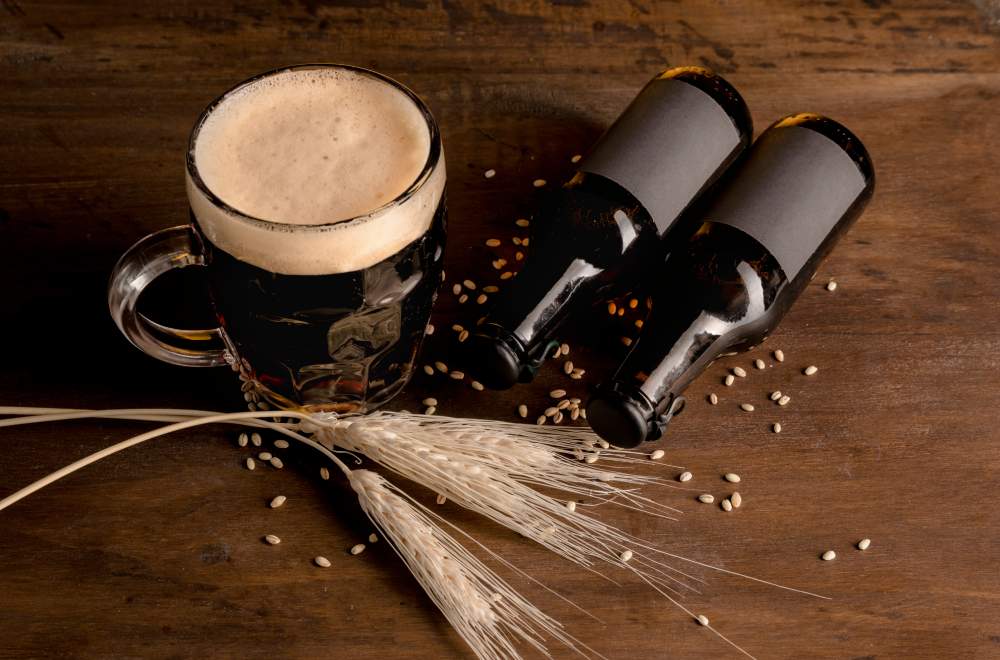
Picture this: You’re at your favorite brewpub in Delhi, scrolling through the beer menu, when your keto-following friend sighs, “I wish I could enjoy a beer without blowing my carb count for the entire week.”
Sound familiar?
Here’s the thing – this scenario is becoming increasingly common across India’s craft beer scene. With India’s keto-friendly food market reaching USD 75.9 million in 2024 and the craft beer market exploding at 23.43% annual growth to reach USD 33.3 billion by 2033, there’s a massive opportunity brewing (pun intended) at the intersection of health consciousness and craft beer culture.
The keto-beer movement isn’t just a trend – it’s a revolution that’s reshaping how brewery machine manufacturers design equipment and how beer manufacturing plant operators approach their brewing processes.
The Science Behind Keto-Friendly Beer Production
Traditional beer contains 10-15 grams of carbohydrates per bottle. But here’s where modern beer manufacturing plant technology becomes crucial – specialized brewing equipment can reduce carb content to under 3 grams per serving.
The magic happens through enzyme treatment systems and extended fermentation processes. Brewery machine manufacturers like Rohit Jafa Brewing Solutions have pioneered equipment modifications that break down residual sugars more completely, creating what brewers call “super-attenuated” beers.
Key Equipment Modifications for Low-Carb Production:
Enhanced Fermentation Systems: Modified temperature control allows for longer, slower fermentation that converts more sugars to alcohol rather than leaving them as carbohydrates.
Advanced Filtration Technology: Specialized membrane filtration removes residual sugars while maintaining flavor compounds – something standard equipment often struggles with.
Enzyme Injection Systems: Automated dosing of amyloglucosidase enzymes breaks down complex carbs during the brewing process.
And honestly, the technical precision required makes choosing the right equipment supplier absolutely critical for success.
Why Delhi is Becoming India’s Keto-Beer Capital
Delhi’s craft beer scene is uniquely positioned for the keto revolution. With over 25 microbreweries already operational and regulatory policies becoming increasingly favorable, the capital is attracting health-conscious beer entrepreneurs.
The best pub brewery plant suppliers in Delhi are reporting increasing client interest in low-carb brewing capabilities. That’s not coincidence – that’s market demand.
What makes Delhi special for keto brewing?
The city’s affluent, health-conscious demographic creates perfect market conditions for premium brewing. Plus, Delhi’s proximity to Punjab’s agricultural regions means access to specialty malts and brewing ingredients essential for low-carb production.
Major Delhi-based breweries like those featured in our craft beer map are already experimenting with keto-friendly options, creating a collaborative ecosystem rather than competitive isolation.
The Equipment Investment Reality Check
Let’s talk numbers – because everyone’s thinking it.
Setting up keto-brewing capabilities requires specialized equipment investment. But before you worry about the cost, consider this: keto beers command significant price premiums in the Indian market due to their specialized nature and health-conscious positioning.
Essential Equipment Upgrades:
Specialized Mash Tuns with precise temperature control Advanced Fermentation Tanks with extended capacity cycles Membrane Filtration Systems for sugar removal Automated Testing Equipment for carb monitoring
Working with experienced brewery machine manufacturers becomes crucial here. The initial investment varies significantly based on capacity and automation levels, but success stories show that proper equipment selection can lead to strong returns through premium positioning.
The microbrewery setup cost analysis shows that while specialized equipment requires additional investment, successful positioning in the premium health-conscious segment can improve profitability through reduced competition and higher margins.
Working with experienced brewery machine manufacturers becomes crucial here. Companies with proven track records in Indian conditions – like those detailed in our craft beer brewing equipment supplier guide – understand the unique challenges of humidity, temperature variations, and regulatory requirements that can make or break keto-brewing success.
Flavor Innovation in Low-Carb Brewing
Here’s where things get exciting. Keto-friendly brewing isn’t about sacrificing flavor – it’s about reimagining it.
The best low-carb beers emerging from Indian beer manufacturing plants are using innovative ingredient combinations that would make traditional German brewers curious (and probably slightly confused).
Trending Keto Beer Styles in India:
Coconut Wheat Ales – Using coconut fiber to add body without carbs Spiced Lagers – Cardamom and coriander create complexity without sugar Hop-Forward IPAs – Where bitterness masks the absence of malt sweetness Coffee Stouts – Cold-brew additions provide richness without carbs
The technical challenge lies in maintaining mouthfeel and body when removing fermentable sugars. This is where advanced brewery machine manufacturers earn their reputation – their equipment needs to handle unconventional ingredients while maintaining consistency.
Market Opportunities for Brewery Owners
The numbers tell a compelling story. India’s low-carb food market is growing at 15% annually, while craft beer consumption increases at 23%. The intersection? That’s where smart brewery owners are positioning themselves.
Target Demographics for Keto Beer:
- Urban professionals (aged 28-45) following ketogenic diets
- Fitness enthusiasts seeking alcohol that fits their lifestyle
- Diabetic individuals with doctor approval for moderate alcohol
- Premium consumers willing to pay more for health-conscious options
Delhi’s pub brewery plant suppliers report that clients specifically requesting keto capabilities are typically planning premium positioning with higher revenue per barrel compared to traditional offerings.
But here’s the catch – success requires proper equipment from day one. Understanding what makes microbreweries successful shows that specialized brewing capabilities must be planned during initial setup, not added as afterthoughts.
Choosing the Right Manufacturing Partner
This decision will make or break your keto-brewing venture.
The best pub brewery plant suppliers in Delhi understand that keto-beer production requires more than standard equipment modifications. It demands partners who understand the science, have solved the technical challenges, and can provide ongoing support as you refine your recipes.
What to Look for in Equipment Suppliers:
Proven Keto-Brewing Experience – Ask for specific case studies and client references Custom Engineering Capabilities – One-size-fits-all doesn’t work for specialized brewing Local Service Support – Delhi’s climate and water conditions require localized expertise Regulatory Knowledge – Understanding state-specific licensing for specialty beers
Companies like Rohit Jafa Brewing Solutions, with their track record of 60+ successful installations, bring the kind of experience that turns ambitious keto-brewing plans into profitable realities.
Their production facility capabilities specifically include the enzyme injection systems and advanced filtration technology essential for consistent low-carb production.
The Regulatory Landscape for Specialty Beers
Navigating India’s beer regulations adds complexity, but keto beers often qualify for premium categorization – which can actually simplify some licensing requirements.
Delhi’s microbrewery policies allow for specialty beer production with proper documentation of brewing processes and carbohydrate content verification.
The key regulatory considerations include:
- Accurate labeling of carb content per serving
- Documentation of brewing process modifications
- Regular testing protocols for consistency
- Premium pricing justification for regulatory authorities
Technology Trends Shaping Keto-Beer Production
Brewery machine manufacturers are racing to develop next-generation equipment specifically for health-conscious brewing. The innovations emerging from this space are fascinating.
Smart Fermentation Monitoring: IoT sensors that track sugar conversion in real-time, allowing brewers to optimize carb reduction without compromising flavor.
Automated Enzyme Dosing: Precision systems that add enzymes at optimal moments during fermentation, ensuring consistent low-carb results batch after batch.
Predictive Quality Control: AI-powered systems that predict final carb content based on early fermentation indicators, reducing waste and improving efficiency.
These aren’t theoretical concepts – they’re being implemented in beer manufacturing plants across India right now.
Investment and ROI Considerations
Let’s get practical about the financial reality.
Keto-brewing setups require additional investment over standard microbrewery equipment, but the premium positioning creates compelling opportunities. Keto beers typically command significantly higher prices than regular craft beer due to their specialized production process and health-conscious appeal.
The investment varies widely based on capacity, automation level, and existing infrastructure. What makes it worthwhile is the growing market demand and premium pricing potential in India’s expanding health-conscious consumer segment.
The math works because you’re not just brewing beer – you’re solving a real market problem for health-conscious consumers willing to pay premium prices for products that fit their lifestyle.
Quality Control for Keto-Friendly Production
Consistency is everything in keto brewing. Your health-conscious customers aren’t just choosing taste – they’re trusting their dietary goals to your brewing precision.
Modern brewery machine manufacturers have developed specialized testing equipment that monitors carbohydrate levels throughout the brewing process. This isn’t optional equipment – it’s essential for maintaining the 2-3 gram carb target that defines truly keto-friendly beer.
Critical Quality Checkpoints:
- Pre-fermentation sugar analysis
- Mid-fermentation enzyme activity monitoring
- Post-filtration carb verification
- Final product testing before packaging
Working with experienced brewing consultants ensures your quality control processes meet both regulatory requirements and customer expectations.
Marketing Your Keto Beer Success
The health-conscious beer market responds differently to traditional brewery marketing. Your customers are typically well-educated, research-driven, and skeptical of health claims without solid backing.
Effective Marketing Strategies:
- Transparent brewing process documentation
- Third-party carb content verification
- Partnerships with fitness centers and nutritionists
- Educational content about low-carb brewing science
- Testimonials from health-conscious customers
The breweries succeeding in this space treat education as their primary marketing tool. They’re not just selling beer – they’re building trust in their brewing expertise and commitment to health-conscious production.
The Future of Health-Conscious Brewing in India
This movement is just beginning. With India’s growing middle class becoming increasingly health-conscious, and craft beer acceptance reaching new demographics, the intersection creates unprecedented opportunities.
Emerging Trends to Watch:
- Probiotic beers with digestive benefits
- Gluten-free, low-carb combinations
- Functional ingredients like turmeric and ashwagandha
- Zero-alcohol, keto-friendly beer alternatives
The brewery machine manufacturers positioning themselves as health-conscious brewing specialists today will dominate tomorrow’s market. The equipment you choose now determines your ability to adapt to these emerging trends.
Making Your Decision: Next Steps
If you’re considering entering the keto-beer market, the time for action is now. Market conditions are optimal, consumer demand is proven, and the technical solutions exist.
Your Strategic Checklist:
- Market Research – Validate demand in your specific location
- Equipment Assessment – Evaluate current setup for keto-brewing modifications
- Supplier Evaluation – Research brewery machine manufacturers with proven keto-brewing experience
- Financial Planning – Calculate ROI based on local pricing and demand
- Regulatory Preparation – Understand local requirements for specialty beer production
The complete guide to launching a microbrewery provides additional context for making informed decisions about specialized brewing capabilities.
Ready to Brew the Future?
The keto-beer revolution isn’t waiting for anyone. Health-conscious Indians want craft beer that fits their lifestyle, and they’re willing to pay premium prices for it. The question isn’t whether this market will grow – it’s whether you’ll be positioned to capture it.
The best pub brewery plant suppliers in Delhi are already seeing increased demand for keto-brewing capabilities. Equipment lead times are extending as more entrepreneurs recognize this opportunity.
Your next step? Connect with experienced brewery machine manufacturers who understand both the technical requirements and market realities of keto-friendly brewing.
Ready to explore how keto-brewing equipment can transform your business? Contact our brewing experts for a consultation tailored to your specific market and production goals.
The craft beer revolution in India is evolving. Make sure you’re not just keeping up – but leading the charge into health-conscious brewing’s profitable future.
Interested in learning more about specialized brewing equipment? Explore our comprehensive brewing solutions or discover successful brewery projects across India.