Category: Brewing Solutions

  • Support Local Microbreweries – Best Beer Manufacturer Company In Gurgaon

    Support Local Microbreweries – Best Beer Manufacturer Company In Gurgaon

    People have been brewing beer for centuries, and microbreweries are the new wave of this craft beer trend, emphasizing quality over quantity, and even producing their own beer.

    Some modern microbrews are characterized by an emphasis on experimental, world-class brewing techniques, unique styles, or both. The Indian microbrew scene has evolved in recent years, with new breweries and brewpubs opening across the country. One can find some of the top beer manufacturer company in Gurgaon, where beer lovers get to indulge themselves with the best brews.

    Why Go To Your Local Microbrewery?

    Why Go To Your Local Microbrewery

    Microbreweries are a great place to treat your beer-loving taste buds. There are many great microbreweries to discover across the country, and they’re popping up all over the place. They are a great way to connect with one another, meet new people and expand your social circle in an affordable, fun and unique way.

    There is a growing call to support local microbreweries. There are many benefits to supporting a local brewery including but not limited to: local access to the goods they create, direct connection with the craft beer industry, better bar snacks, beer tourism, and more.

    While you might not be able to find them in your supermarket, a few neighborhood bars or specialty shops, these small businesses are a favorite amongst beer fans of all ages, and the beer lover-turned-owner knows how to make each bottle unique. Now with expert beer brewing assistance from Rohit Jafa Brewing Solutions, you can get the best pub brewery plant set up in Gurgaon. We are driving more microbreweries opening each month, and many are doing an outstanding job reflecting their community back into their product.

    Here are a few more reasons to seek out a local microbrewery

    #1 Craft Beer Is An Experience

    Craft Beer is An Experience


    Craft beer offers a unique experience to beer lovers to try and sample a wide variety of flavors. These days, it’s not uncommon to find a variety of beers that are brewed with a variety of ingredients such as hops, grains and fruits. It’s a great way to expand your beer palate and explore new flavors.

    You can explore your palate with different styles, or try something new and exciting. Try and visit one of the top beer manufacturer company in Gurgaon for an extensive beer lists, so you can try something new every time you visit.

    #2 Pair Your Craft Beer With Some Great Food

    Pair Your Craft Beer With Some Great Food

    One of the great things about craft beer is enjoying something new with some of your favorite food. Pair up beer and food, and you’ve really made a pair. Craft beer has become the new way to enjoy food and beverage pairings, and lots of bars in your area are offering a variety of craft beers and food pairings.

    It’s hard to imagine a more perfect match than craft beer and food. From top-notch pizza to world-class tacos, food and beverage pairings are a must.

    #3 Think Local, Drink Local!

    Think Local Drink Local

    Craft beer has become a cornerstone of the local economy. Not only are local entrepreneurs employing and paying families more to keep them working, but the communities they serve are also more invested in their quality of life, which is a direct result of their proximity to these small businesses. Being a community partner is key to be the best beer manufacturer company in Gurgaon, and we understand that.

    When you buy from us, it helps keep a small community alive and well. So support local businesses. At the very least, you can tell your friends where to get the best craft beer by way of supporting them.

    #4 Enjoy Fresh Brew Every Time

    Enjoy Fresh Brew Every Time

    Beers brewed on-site or where the brewing process is under the control of the business are likely to be fresher, better tasting, and easier to keep clean because they are constantly being monitored and cared for. In contrast, those produced at a brewery where the brewing process is largely off-site are more likely to be pasteurized and/or filtered and aged and may have been stored away for an extended period, which can negatively affect flavor.

    #5 Fresh Brews Are Great For Your Health

    Fresh Brews Are Great For Your Health

    Not only are packaged beers less healthy because they are pasteurized and filtered, but they are often higher in calories and carbohydrates. Many packaged beers are brewed with corn syrup and other sugars, which can contribute to obesity and diabetes. The beers from your local microbrewery are healthier because they are brewed with fresh ingredients and aren’t filtered or pasteurized. This makes them a great option for those trying to reduce their sugar intake or those with diabetes.

    #6 Craft Beer Is Cheaper Than The Imported Ones

    Craft Beer is Cheaper

    Beer from your local microbrewery is way less expensive than beer from the big breweries. And, since you’re not paying for bottling, packaging, and shipping, you can use the savings to buy that next six-pack. Another reason to support local beer manufacturer company in Gurgaon.

    Besides all of these positive impacts, there are also many other reasons to support your local microbrewery. Microbreweries create jobs and boost the economy. They provide a place for people to gather, share ideas, and learn. They also offer a variety of educational and social opportunities. Most importantly, they provide you with a variety of great-tasting beer to enjoy.

    Buying from your local microbrewery is a great way to support your community and enjoy fresh beer every time. Not only is it more fun to visit the brewery and meet the people who brew your beer, but you can also feel good knowing that you’re supporting your local economy and keeping a small business alive. When you buy beer from your local microbrewery, you can enjoy an experience that’s unique to your area, right where you live.

    Whether you are a budding microbrewery looking for some technical expertise, or a novice brewer looking to setup your own microbrewery, we are here to help. Rohit Jafa Brewing Solutions, the No.1 beer manufacturer company in Gurgaon, can help you with all your beer related needs so that you can brew the best beer possible. You can get high-quality ingredients and equipment for the best pub brewery plant set up in Gurgaon. We can also help you by training you, installing brewing equipment, and of course, tasting your beer and telling you if it is ready to go!


  • Set Up Your Microbrewery With German Technology In Chandigarh

    Set Up Your Microbrewery With German Technology In Chandigarh

    Here Is Why You Should Set Up Your Microbrewery With German Technology In Chandigarh

    Microbreweries are experiencing a significant boom in India. People all over the country are coming together around this new spirit and deciding to set up their own microbrewery. Chandigarh microbreweries are using the advantages of German technology to brew top-notch beer.

    We at Rohit Jafa Brewing Solutions help entrepreneurs set up their own microbrewery, also known as a Craft Brewery. Our experts can help you with the setup, operations and marketing requirements of a microbrewery. We ensure maximum return on investment, as we provide a complete managed package.

    Now to the German technology in Microbreweries – World-class German brew equipment are one of the best since 1600s. German brewers have used some of the most advanced brewing science and technology to brew the best beer in the world. They have developed processes and equipment to make the highest quality beer. This has made Germany the number one beer producing country in the world.

    Most microbreweries with German technology in Chandigarh are on the list of Top 10 microbreweries in the county, and yours can be on that list too.

    Why Should I Use German Technology & Equipment?

    Focus On Hygiene & Safety

    German Technology Equipment


    Microbreweries generally dispense the beer directly from the tap. This calls for high levels of hygiene to prevent any microbial build up. German technology calls for the use of only high grade stainless steel (SS-304) for all components, assuring the highest quality standards. The mash tank, brew kettle and fermenter are all made of the best quality stainless steel.

    The plant is designed to efficiently process the beer from the mash to the fermenter, and on to the kegs with minimum exposure to air. The fermenter is vented to the outside to allow for the escape of any gases generated during the fermentation process. The plant is also designed to be easily cleaned and disinfected.

    Overall, setting up your microbrewery with German technology in Chandigarh ensures that your customers enjoy only the best quality beer, direct from tap.

    High-Quality Fermentation And Beer Tanks

    High Quality Fermentation And Beer Tanks


    The fermenter is where all the action happens. With imported German tanks, you will brew strong, flavorful, and healthy beers with ease. Top quality non-corrosive tanks that ensure your beer tastes great for years to come. They are made of stainless steel (SS-304) and will not rust.

    The fermenter is a custom made vessel, which is designed to hold a massive volume of beer for a very long time and has been tested to hold 40,000 litres or 132,000 gallons of liquid without leaking.

    Insulation Techniques Used On Fermenter Tanks & Storage Tanks

    Insulation Techniques Used On Fermenter Tanks


    The insulation thickness is important for heat retention and uniform heat circulation inside the tanks. Too thin and the beer will overheat, too thick and the beer will not heat up. The quality of the insulation material used is also important. Uncured polyurethane foam is typically denser than cured foam and applies less insulation to the tanks.

    German PU foam is an innovative alternative to traditional cell packing and insulation techniques, which are less environmentally friendly. The tanks’ cooling jackets use dimple plate, arch channels, and fluting channels to exchange heat. High performing PU foam ensures that your beer is both fresh and clean. Another reason to install your microbrewery with German technology in Chandigarh.

    Efficient Management Of The Plant

    Efficient Management Of The Plant


    Microbreweries are generally run by small to medium sized businesses. Using German technology allows for plants to be easily managed by a single person – thanks to a well-designed and easy to use control system. Siemens programmable controllers, IPC (Industrial Personal Computer), and other auto control components are included in the PLC control system, to offer seamless operation of the plant.

    Efficient control of the plant with less human intervention allows for a more productive, efficient, and more consistent production process.

    Convenient Cleaning Process

    Convenient Cleaning Process


    Our Clean In Place (CIP) system is the most effective way of cleaning your equipment. It ensures that even the dirtiest parts of your equipment are cleaned – protecting your investment. Furthermore, it is an excellent way of reducing the risk of cross contamination between tanks.

    It can effectively clean, sterilize and disinfect your brew tank and other equipment used in a brewery. It also reduces the risk of infection, ensuring that the highest standard of cleanliness is maintained throughout. No wonder most entrepreneurs choose to install their microbrewery with German technology in Chandigarh.

    The Dangers Of Using Subpar Brewery Equipment

    Subpar Brewery Equipment


    Microbes can infect a fermenter, low- and high-pressure systems, and packaging. This can cause contamination, spoilage and contamination risk if certain steps are not followed. As a result, the bottom line of beer quality is all about the quality of the equipment used. Substandard equipment at the microbrewery level can lead to unsafe practices and poor quality beer, which can put the beer buyer at risk.

    In addition, improper cleaning and maintenance of your machinery can lead to unsafe conditions for your employees and customers. You can avoid these risks by using only high-quality, German-made parts and equipment, and by regularly cleaning and maintaining your equipment.

    To Summarize:

    Microbreweries built with German technology are the most efficient and safest way to brew beer. They are the most environmentally friendly, and they are the most economical and reliable way to brew beer.

    German-made equipment can be operated by a single person. Cleaning and maintaining your equipment is a matter of no more than 20 minutes – the type of time required for a simple cleaning and maintenance process is well within the capabilities of most people.

    You too can setup a microbrewery with German technology in Chandigarh. We have the know-how and the equipment to make your beer brewing dreams come true. Cal us today!

  • Microbrewery India – The Best Pub Brewery Plant Set Up In Gurgaon

    Microbrewery India – The Best Pub Brewery Plant Set Up In Gurgaon

    The pub scene in India has been on a rise over the past few years. And breweries have been a major part of this rise. With trendy brewpubs offering a relaxing space to unwind after a long day of work, beer lovers in Gurgaon haven’t had a tap that has run dry.

    Microbrewery is the best pub brewery plant set up in Gurgaon. Using the finest German technology, Microbrewery has set up some of the best breweries in the country.

    With a long list of breweries to choose from, Gurgaon beer lovers are often confused between Microbreweries, Nanobreweries, and Brewpubs. How are these 3 different? Aren’t they all just breweries? Why do we have so many of them? Read on to find out.

    Microbreweries

    microbreweries


    The name says it all – Micro. A smaller brewery, producing in small scale. We have seen a number of microbreweries popping up in Gurgaon recently as they are easy to set up and operate. They have a limited scale of distribution and usually only produce one or two beer varieties.

    Beers produced by Microbreweries are generally called ‘Craft Beers’ and are usually brewed using traditional methods and ingredients. These beers are often unique and have a distinct taste. They have a selected list of loyal clients and are often a part of a brewery club.

    Microbreweries are upping their game in Gurgaon by introducing their own style of brewing. They are also experimenting with new ingredients and brewing methods, giving beer lovers something to look forward to.

    As the most reputed & best pub brewery plant set up in Gurgaon, we are proud to have been part of many microbreweries in getting their plant up and running.

    Nano Breweries

    nano-breweries


    A brewery that produces beer for its own consumption, rather than for sale. It is a very small scale business and often run as a solo ownership.

    Apart from the quantity of beer produced, nanobreweries and microbreweries differentiate themselves from traditional breweries by the quality of their brews. They often use specialty malts to create a more complex beer that may contain only a small amount of malt. This means that the final product is not as sweet as some traditional beers and come with a distinct flavor.

    These companies are growing, both in number and in reputation, and many are making a name for themselves and are looking to expand. The smaller size also allows more flexibility in maintaining quality control.

    If you are looking to setup up a nanobrewery or a microbrewery, reach out to our team. We are happy to share our experience as the best pub brewery plant set up in Gurgaon.

    What Is A Brewpub?

    what-is-a-brewpub


    A brewpub is a restaurant or bar that specializes in brewing beer with a limited selection. Gurgaon has a great line-up of brewpubs, and most have at least one large-format bar for seating. They usually have a full liquor bar, a mix of local, regional, and imported beers on tap, and often a small wine selection.

    A brewpub is where specialty beers are brewed onsite. They often offer speciality beers on tap that are different from other beers on the market and is often run by a Brew Master or Brew Master’s assistant.

    It is a great place to hang-out with friends as it offers dining too. The menu is usually limited to pub grub, like burgers, pizza, sandwiches, and other simple fare. Most brewpubs are independently owned and operated, with a small number being corporate franchises.

    Beer connoisseurs in Gurgaon are constantly on the lookout for new places to enjoy and chill. With years of expertise in setting up breweries, Rohit Jafa and team are the best pub brewery plant setup in Gurgaon. We do supply some of the best brewery equipment across the country, having set up more than a dozen brewery installations in our portfolio. Get all your beer manufacturing equipment at the best market rates.

    Ping us today and let’s start planning your entrepreneurship journey today!

  • The Economics of Owning a Beer Manufacturing Company in India

    The Economics of Owning a Beer Manufacturing Company in India

    Are you planning to get into the beer brewing industry? Wondering how much it costs and what are the expected profits? Continue reading to find all about the economics of owning a beer manufacturing company in India.

    Is a brewery profitable?

    If there is one business that is unaffected by the economy, then it’s the liquor business. However, the brewing industry is highly competitive. With hundreds of breweries sprouting across the country, is it profitable to run a brewery or a beer pub?

    One of the main reasons why breweries is an exciting and lucrative business opportunity is that it has huge untapped potential. India is home to one of the youngest demographics in the planet. With increasing incomes and rise in lifestyles, the youth population of India are steadily becoming less traditional.

    Today, beer drinking is a socially acceptable past-time for both men and women. Before you set up any business, you need to first understand your target market. The demand among customers for high-quality and premium liquor has spurred the craft brewery revolution in the country.

    Just like any business, you have to first determine your target market to evaluate whether your venture is profitable. For a microbrewery, the target customers are young millennials and Gen-Zers who enjoy a drink with friends and family. Once you have identified the target market, you have to determine the market potential in your locality. For example, if your market is a residential neighbourhood with predominately seniors then it isn’t the ideal for your target audience.

    Getting the target market and market potential right is the key to operating a successful brewery. Next, you have to figure out the ideal location. Look for locations with high-footfall near to a mall, entertainment centre or business districts.

    One of the biggest hurdles to establishing a brewery or pub in India is getting the necessary licenses and permits for it. This brings us to the next section.

    What are the different liquor licenses needed to operate pubs and breweries?

    liquor-licenses


    Here is a list of the various permits and licenses that you need. Note that you don’t have to get all of these:

    • Brewpub liquor license (for craft breweries)
    • Restaurant liquor license
    • Beer and wine shop license (for mild liquor)
    • P-10 for serving alcohol at specific functions like weddings, corporate get-togethers
    • P-13 for serving imported liquor
    • L1 for wholesale supply of liquor
    • L3/L5 for hotels serving imported liquor in bars/room service
    • L6 for retailers of beers and other Indian liquor
    • L-9 for retail selling of imported liquor
    • L-10 for retail selling of liquor

    The cost of obtaining these permits and licenses varies depending on the state and location. Generally, it costs around ₹7000 to ₹10,000 to get a temporary liquor license. A permit room license can range anywhere from ₹1.5 lakhs to ₹10 lakhs, depending on your city.

    Top Reasons to Start a Brewery in India

    reasons to-start


    Irrespective of the economy, breweries are a profitable business venture. Even during the recent Covid-19 pandemic, liquor shops and pubs were among the first businesses to be reopened after the lockdown. This clearly shows the high demand for breweries.

    Here are a few reasons why breweries are profitable businesses:

    1.High public demand

    Breweries and liquor pubs are a place for people to relax and de-stress. Hence, there is a huge demand for high-quality breweries with great ambience.

    2.A revenue making venture for the government

    Both central and state governments levy hefty taxes on breweries. Hence, they encourage the operation of breweries round the year.

    3.Huge profit margins for business owners

    This is a huge win for entrepreneurs planning to begin a brewery. Breweries have high profit margins making them a profitable venture.

    4.Recession proof business

    Breweries are among the handful of businesses that are profitable at all times.

    5.Year-around demand

    This is another plus of brewery businesses. There is a year-around demand. While some months like Ramzan, Navaratri see reduced demand there is a consistent demand all through the year.

    Wrapping Up

    wrapping-up


    If you are planning to set up a beer shop or pub, then we can confidently state that it is a great business decision. With a growing young population, rise in disposable incomes and a change in conservative mindset, the culture of beer drinking is steadily growing in India. Whether you start a craft brewery selling canned beer or run a brewery cum pub, you are never going to run out of profits. So, start planning the other factors and let’s raise a toast to a successful business venture.

  • Beginners Guide to Beer Brewing with Inputs from the Top Beer Manufacturers in Delhi

    Beginners Guide to Beer Brewing with Inputs from the Top Beer Manufacturers in Delhi

    Beer making is both a science and an art. If you are a budding beer connoisseur, here’s a quick guide to help you know more about your favourite beverage. In this guide, we’ve gathered inputs from the top beer manufacturers to walk our readers through the beer making process.

    A beer manufacturer in Delhi once said to us, “Beer making is more than following a step-by-step recipe. To brew great beer, you need to be passionate about what you’re doing.” We agree that beer making is a long, labour-intensive process. It is not something that you can do it under 30-minutes. There are several steps to follow and patience is rewarding. If you’re just like us, interested and passionate about beer, here is a quick guide to brew your favourite drink.

    Ingredients for Brewing Beer

    All beers – irrespective of the type – require four key ingredients. They are:

    • Malted barley
    • Yeast
    • Hops
    • Water

    Any type of beer – be it an ale, lager or IPA – has these four basic ingredients. What differs is the brewing process and manipulating other variable to create more variety and flavours. There is plenty of science behind beer brewing. Depending on the type of hops and malts you use, the temperature of the brew changes. Even the water you use impacts the final flavouring.

    Now, that we’ve seen the ingredients, let’s take a look at the major steps involved in beer brewing.

    The Malting Process

    malting-process


    Beer manufacturing starts with malting of grains. Usually, barley is the primary grain used. However, other grains like wheat and oats can also be used. After harvesting, the grains are processed by heating, drying and cracking to isolate the enzymes. The malt determines the final colour of the brew. Lightly-roasted malts produce pale beers, while deeply roasted malts produce dark beers.

    Some top beer manufacturers mill their own malt as it gives them better control over the final flavour and colour.

    Mashing the Malt

    mashing-the-malt


    The malted grains are added to the mash tun. In this process, the grains are left to steep in hot water producing wort (pronounced as wurt) a sugary liquid. This process is known as mashing. The malted grains are steeped in hot water (not boiling water) for around an hour. The hot water activates the enzymes in the malt and causes starch in the grains to break down and release simple sugars. After mashing, the wort is drained and used in the next steps.

    Adding Hops

    adding-hops


    The wort from the previous step is move to a copper tub where the hops are added. The hops lend the distinct bitter profile to beer. The wort is boiled along with hops for an hour. Some brewers add extra hops after the first boiling for added aroma. The second batch of hops are not boiled. The liquid at this stage is cooled down to 17-degree Celsius and move to the fermentation vessel.

    Fermentation

    fermentation


    The cooled wort from the previous step is move to the fermentation vessel. Yeast is added to the liquid at this stage. Now, we wait for yeast to work its magic. The yeast eats the sugar in the wort and produces carbon-di-oxide and alcohol. The fermentation time depends on the type of beer you’re making.

    For example, ales have a short fermentation time where the brew is stored at cool temperatures for a short period. On the other hand, lagers are fermented for a longer time. The key here is to maintain the ideal temperature throughout the fermentation process.

    Filtering, Processing and Bottling

    bottling


    Once fermentation is complete, the final beer is ready. It is then packaged in different storage jars like casks, kegs, bottles or cans. Additionally, beer manufacturers let the brew go through a secondary fermentation to add the required carbonation.

    The Final Product – Delicious, Craft Beer is Ready for Consumption

    final-product


    That’s it. You have now come to the final step of brewing – tasting your delicious beer. Yes, every mug of beer that you taste goes through this long, laborious process. The next time, you try beer at a craft brewery near you, it will certainly taste extra special, now that you know the story behind your favourite beverage.

  • Beer Fermentation: Find Answers to All Your Queries on the Fermentation Process in Beer Brewing

    Beer Fermentation: Find Answers to All Your Queries on the Fermentation Process in Beer Brewing

    Hello aspiring brewers! Welcome to another exciting post as part of our beer school series. In this post, we discuss one of the most crucial steps in beer brewing – the fermenting. If you have wondered what exactly happens during the fermentation process, how to ensure that you’re in control of the fermentation process and not the other way round, it’s time to buckle up for a foamy ride, as we explore the secrets of fermenting your beer.

    First let’s get the definition right,

    What is beer fermentation?

    Technically, fermentation is the process of converting the fermentable sugars into carbon dioxide and ethanol equally, with the help of yeast aka the fermenter. In beer brewing equipment, fermentation happens in either one of the following two ways:

    • Top fermentation – Used in the manufacture of ales
    • Bottom fermentation – Use in the manufacture of lagers

    In simpler terms, fermentation is the process that adds the fizziness to your beers naturally.

    Steps in the beer fermentation process

    To kick-start fermentation, yeast is added to the fermentation vessel – this is a large urn that is part of the beer making machine. The yeast converts the wort solution from the previous stages into beer with alcoholic content and carbon dioxide bubbles. Once the fermentation is finished, the liquid leftover is known as the “Green Beer.”

    The wort is the sugary solution that is formed by mashing malt and boiling the hops. Wart becomes beer after the fermentation process.

    How long does fermentation happen during beer making?

    The exact duration depends on the type of beer, size of the batch and other factors like strain of yeast, temperature and more. Generally, it takes around two weeks from start to finish for the fermentation to complete.

    Can over-fermentation happen?

    Well, it’s a tricky question. Generally, over-fermentation is not possible as the yeast can consume only certain types of sugars in the wort. When all these sugars are depleted, the fermentation comes to a stand-still. The yeast settles at the bottom of the liquid, doing nothing.

    But you don’t want this to happen. As the yeast settled at the bottom gives a funky flavour to the beer which doesn’t taste good.

    Will the flavours vary depending on the type of yeast?

    Yes! Just like different spices give different results to your curry, different strains of yeast lead to differing end results. For example, some yeasts will give a crisp, clean flavour, while other strains of yeast give a bready flavour. The strain of yeast you use depends on the flavour profile you’re hoping to achieve.

    Is Beer a Fermented Drink?

    Yes, due to the fermentation process, beer is classified as a fermented drink like Kombucha. When consumed in moderation it gives the health benefits of other fermented foods like lowering the risk of cancer, diabetes and stroke.

    What is the role of temperature in the fermentation process?

    If the temperatures become too high, then it could kill/knock off the yeast, preventing complete fermentation. This is why, we recommend including cooling tanks as part of your beer brewing equipment to keep the temperature under control.

    Check out the preferred temperature and duration for different types of beers:


    Beer Style Fermentation Temperature Fermentation Duration
    Ales 20 – 22° C For two weeks
    Lager 7 – 13° C Around six weeks


    What’s the Difference between Primary and Secondary Fermentation?

    Primary Fermentation –

    In this stage, the yeast does the fermentation process.

    Secondary Fermentation –

    This happens when the brewer takes the beer from the primary vessel and moves to another container for storage.

    Are Primary and Secondary fermentation the same as Top Fermentation and Bottom Fermentation?

    • Top-fermented beers contain yeast that floats at the top of the tank. These beers prefer warmer temperatures during the fermentation process and includes beer styles like pale ales, porters, stouts, brown ales.
    • Bottom-fermented beers contain yeast that floats at the bottom of the tank. These beers ferment at low temperatures. Some of the popular styles of beers include Pilsners, Oktoberfest lagers and Vienna lagers.

    That’s it, we’ve come to the end of this post and we hope this clears all your queries about beer fermentation. For any further queries, drop us an email and our expert brewers and beer equipment consultants will get back to you.


  • 7 Rookie Mistakes That Beginner Brewers Commonly Make (And How to Avoid Them)

    7 Rookie Mistakes That Beginner Brewers Commonly Make (And How to Avoid Them)

    Congrats for taking your first step into the exciting world of beer brewing. Before, you establish your brewery, you need to master the art of brewing. As you take your first baby steps in brewing, you will make mistakes. Mistakes are an inevitable part of learning any new craft – be it homebrewing or any other new experience.

    Don’t be scared of mistakes, it happens to even the best beer companies. Instead, look at mistakes as an opportunity to learn, improve and ultimately gain mastery over beer brewing. With that said, there are some smart ways to avoid the most common mistakes made by beginners.

    In this guide, we walk you through the rookie mistakes made by all beginner brewers, so that you can know how to avoid them.

    #1: Not Keeping the Beer Brewing Equipment Clean

    Keeping-the-beer-brewing-equipment-clean

    This is the biggest and most common mistake that every new brewer makes. Fermentation is crucial to beer brewing and there are both good and bad fermentation. For successful brewing, you need to ensure that fermentation is under your control.

    Dirty hands, unclean surfaces, and improperly sterilised beer brewing equipment introduce wild bacteria that can ruin the batch. Even the most skilled brewers know that cleaning is critical and do not skip thorough sterilisation of all beer brewing equipment every time they brew a fresh batch. It may be a bit time consuming, but you will thank us later when the brewing process proceeds as per plan, without any glitches.

    #2: Taking Shortcuts and Not Following the Recipe

    taking-on-too-much-too-soon

    As a beginner brewer, it’s essential that you follow the recipe to a “T.” Avoid eyeballing ingredients, or taking shortcuts. You can experiment later with flavours once you’ve got the basics right.

    #3: Using Old or Expired Ingredients

    using-old-or-expired-Ingredients

    It may be tempting to use an old yeast packet that has been lying around in your pantry for years. Don’t do that – beer brewing is equal parts an art and equal parts science. To maximise the taste of the final beer, you need to purchase fresh, high-quality ingredients. Ensure that all the ingredients you use – hops, yeast, grain, malts, etc. – are fresh and of the highest quality. Waiting too long to use your ingredients will cause them to go stale, leading to poor tasting beer.

    #4: Fluctuating Temperatures Affect Fermentation

    fluctuating-temperatures-affect-fermentation_

    The magic of beer brewing happens when yeast works on the wort. But, for yeast to work its magic, it requires a stable temperature. Make sure that you place the wort undisturbed in a location that is not too hot nor too cold. Too hot temperatures can speed up yeast action, while too cold temperatures slow down the yeast, both of which affect beer quality.

    #5: Using Poor Quality Water

    using-poor-quality-water

    Water is the simplest, yet most crucial ingredient for brewing. Using poor quality water affects the flavour of the final brew. Think of water as the blank canvas for beer brewing. Tap water contains various contaminants like fluorides, chlorine, dissolved solids and other contaminants all of which greatly affect the flavour of the brew.

    Ideally, we prefer using RO (Reverse Osmosis) water since it’s stripped off all contaminants and gives you the best blank canvas to start brewing.

    #6: Taking on Too Much Too Soon

    not-following-the-recipe_

    This is another classic beginner mistake. Attempting to brew a complicated recipe or a large batch is sure to lead to disaster, especially if this is your first time. Always start with a simple, tried-and-tested recipe and start with a small quantity. Also, make sure to read the recipe several times. Plan and get the ingredients ready, so that you don’t find that you’re missing a key ingredient halfway through the process. Start slow, perfect your basics and then you can get adventurous later on.

    #7: Over Boiling the Wort

    over-boiling-the-wort

    This is another common mistake made by beginners. You would have heard the adage, “a watched pot never boils.” That doesn’t hold true in beer brewing. When it comes to brewing, you have to be very watchful, especially during wort boiling. The wort can boil over at a moment’s notice. So, make sure that you keep your eyes on the pot at all times.


  • Beer Brewing 101| Beginners Guide| Microbrewery India

    Beer Brewing 101| Beginners Guide| Microbrewery India

    Are you planning to begin a brewing company? Is beer brewing your passion? Before you establish a brewery in India, there are several techniques and knowledge that you must know. Here, in this guide, we walk you through the simple basics of brewing. It doesn’t matter whether you have tried beer brewing before. This guide will give an idea of the basics. For more advanced articles, check out our other blog posts.

    What is brewing?

    To phrase it in the simplest of terms, brewing is the practice of controlling the interactions between water, yeast, starch and hops to manufacture an alcoholic beverage known as beer. The actual process of brewing involves other complicated processes like isomerization, lautering, wort and more.

    The job of the head brewer is to have control over the elements involved in brewing, so that the end result is as close to what he/she has in mind. In other terms, brewing is the process of controlling the naturally occurring phenomenon known as “fermentation.”

    Beer brewing is as a result of the action of single-celled organisms known as yeast. Technically, the saccharomyces pastorianius or saccharomyces cerevisiae variety of yeast eat sugars derived from starch (usually barley). The yeast then converts the sugar into carbon-di-oxide and ethyl alcohol.

    When we brew beer, we use a specific type of starch and yeast depending on the type of beer required. Essentially, the yeast feasts on the sugar in the starch to create alcohol. This is the basics of beer brewing.

    The hops – the other key ingredient in brewing – is used for adding flavour, stabilising the brew and for seasoning.

    The Basic Steps of Brewing

    Now, that you know the basics, let’s breakdown the steps involved. We’ll also walk you through the key brewing terms that you should know.

    • Malting – A starch source like barley is malted. This means the grains allowed to partially germinate and then sun-dried. The partial germination makes it easier to convert the starches in the grain into sugar.
    • Mashing – In this stage, the malted grains are added to water and the mixture is heated to accelerate the natural enzymes in the grain to convert into fermentable sugars.
    • Lautering – The mash is filtered to remove the grain husks and other sediments.
    • The leftover clear liquid is heated and boiled. Hops are added at the beginning of the boil or at the end of the boiling stage, depending on the beer type. The remaining liquid at this stage is known as wort.
    • Fermentation – The wort is then cooled down to a specific temperature. At this stage, yeast is added to the wort to commence fermentation. Fermentation is carried out in several stages, followed by a period of conditioning. Conditioning is the process of further aging the dead yeast cells in the beer.
    • Finally, the beer is stored in cans, bottles or kegs, depending on how it will be sold.

    That’s great! But, before you open a brewery in India, there are several other factors to be considered. The above steps are rough guidelines. There are myriad other variables to consider:

    • Things that you can control – type of grain, type of yeast, flavouring of hops, additional ingredients like fruits, spices, etc.
    • Things that you don’t have control over like – the mineral content of the water used in brewing, the environment, etc.
    • Brewing equipment to use

    Mastery of these factors will give you a great tasting beer and you can soon gain mastery in the craft of brewing. For any further information on craft beer brewing in India or finding the right microbrewery equipment, get in touch with our brew experts here at Microbrewery India.

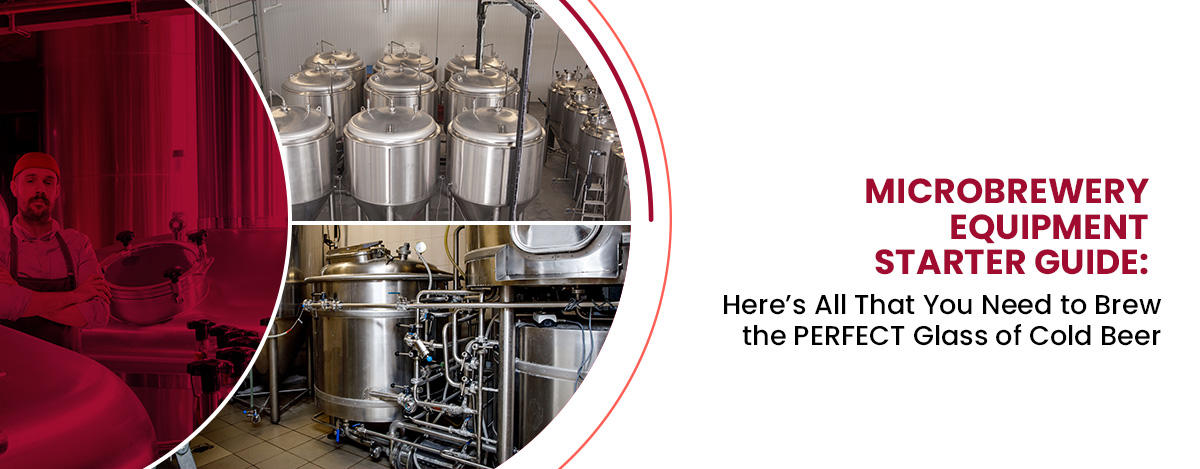
  • Microbrewery Equipment Starter Guide: Here’s All That You Need to Brew the PERFECT Glass of Cold Beer

    Microbrewery Equipment Starter Guide: Here’s All That You Need to Brew the PERFECT Glass of Cold Beer

    Brewing an excellent batch of beer takes plenty of work – especially when you’re brewing for your customers. Whether you’re starting a new craft brewery or looking to expand your current brewery setup, having the right brewery equipment helps you craft the perfect tasting beer.

    With thousands of brewing equipment out there, choosing the right one can be difficult. Worry not, we help you simplify your search. In this guide, we list out the key brewery equipment that you need to have in your microbrewery.

    So, before you get customers to search for “microbrewery near me,” to locate you, you need to have the equipment listed here to ensure a smooth workflow process at your brewery.

    Microbrewery Equipment Starter Guide

    1. Malt Mill

    Brewing starts with milling your grains. The first step to successful brewing is to ensure that the barley grains are crushed into finer particles. Fine grains make the mashing process more efficient, ensuring that the maximum sugar is extracted from the wort during fermentation. The malt mill crushes the bigger grain particles into smaller bits.

    Pro Tip for Beginner Microbrewers: Make sure that the malt mill doesn’t crush the grains too finely, as it can cause the mash to clump together. Clumped mash sticks to the mash tun, which decreases the efficiency in subsequent steps.

    2. Mash Tun

    This is the container used during the mashing process. It’s a temperature-controlled vessel where the starches from the grains are mixed with water. The mash is then heated to transform the starches present in the grain into sugar. Generally, most mash tuns have false bottoms that make it easy for sparging

    *Sparging is the process of separating leftover solid malt husks from sugars.

    *Mashing is the process of combining grains and water. The solution is heated till the starches in the grains are broken down into simpler sugars.

    3. Filtration Technology

    Live yeast in the final beer has to be filtered. Though live yeast is edible, generally microbrewers filter it out, so that the yeast doesn’t alter the final taste of the product. Filtration systems remove the yeast and other debris in beer to give a clear and long-lasting beer.

    The filtration technology used in brewing include:

    • Plate filters – It’s the cheapest filtration technology. A plate filter has vertical cloth-covered plates that are set up at a 90-degree angle. Beer flows through the plates and the solid yeast and debris are retained by the frames, while the clear beer flows through.
    • Candle filters – Candle filters are more expensive and are generally used in large breweries. It contains hollow, circular tubes that are housed in a cylindrical container. The tubes use DE (Diatomaceous Earth) to cleanse the beer.

    Pro Tip for Beginner Microbrewers: Choose the right filtration technology depending on the size of your brewhouse and estimated budget.

    4.Heat Exchanger

    Heat exchanger helps in increasing or reducing the temperature of the wort, so as to prevent contamination. Here are the benefits of using a heat exchanger in your microbrewery:

    • Save more wort
    • Increase the beer output per batch
    • Additionally, heat exchangers lower emissions and reduce energy and water usage.

    A heat exchanger offers various benefits for the microbrewer – both financially and environmentally.

    5.Beer Fermenter

    Fermentation is a crucial step in brewing. The yeast converts the sugar in the wort to produce alcohol and carbon dioxide gas. A beer fermenter gives you more control over the fermentation process. There are different types of fermenters on the market. Choose the right conical fermenter based on your expected goals.

    Here are a few factors to keep in mind, while choosing fermenters:

    • Fermenter material
    • Fermenter size
    • Fermenter shape

    6.Refractometer or Hydrometer

    A refractometer is a tool that measures the amount of sugar present in a liquid. In brewing, it is used both during the beginning and end of the fermentation process to track sugar levels, alcohol content. It helps you evaluate if the yeast has performed well during fermentation.

    The difference between a refractometer and a hydrometer is that the former can be used even with small amounts of liquids, whereas a hydrometer works well only with larger volumes of liquids. Though these tools may seem optional, investing in them helps you monitor each batch and make corrections in the future

    7. Brite Tank

    A brite tank is a temperature-controlled container where fermented beer is the store for further maturation. Here are the benefits of using a brite tank:

    • Quicker carbonation
    • Beer can be served directly from a brite tank without the need for cans, kegs, or bottles

    8. Pumps

    Pumps are an overlooked component of microbrewing. Robust pumps are needed to move beer from one step to another.

    9.Valves

    Valves are the components that help in moving liquids – mash, wort, and beer – through various stages. By using valves, you can quickly regulate how much liquid you want to flow in/out of a particular stage. You can choose the right valves depending on the purpose:

    • Butterfly valves – are easy to clean and create air-tight seals.
    • Needle valves – are ideal for flowing gases. They offer extremely controlled flows.

    10. Cellar Equipment

    A cellar is a cold, dry place where beer is stored till it is made ready for consumption. Ideally, a cellar should be clean, safe, and temperature-controlled. Some of the equipment used in a beer cellar include:

    • Cooling equipment
    • Equipment for cleaning utensils
    • Kegs
    • Water supply, etc.

    11. Dispensing Equipment

    Even if you don’t plan to sell your beer at a pub house, you need the right dispensing equipment to package it efficiently in kegs, barrels, cans or bottles. Some common dispensing equipment includes keg couplers, draft beer towers, beer faucets, carbon dioxide regulators, etc.

    12. Kegs

    If you plan to sell your brew at a microbrewery near you, then you will need kegs to transport the beer. Kegs are small metal barrels that are used to transport and serve beers from a tap. Here are a few reasons why stainless-steel kegs are the most preferred choice:

    • They are sturdy and do not break/leak easily
    • They block out sunlight, protecting beer from color/flavour changes
    • It doesn’t oxidize easily, helping you retain the distinct flavor of your craft beer


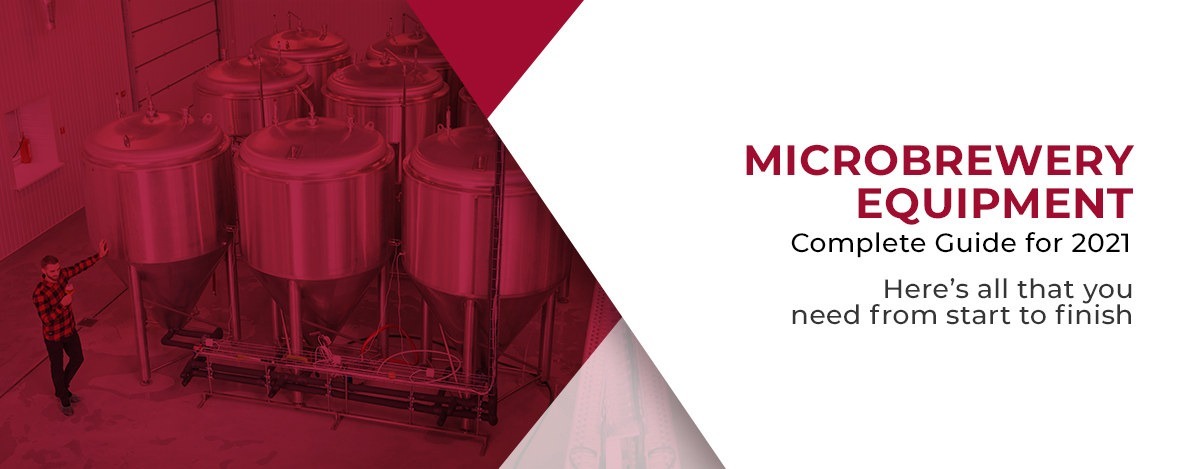
  • Microbrewery Equipment Complete Guide for 2021: Here’s all that you need from start to finish

    Microbrewery Equipment Complete Guide for 2021: Here’s all that you need from start to finish

    From brewing to bottling to branding, milling to mashing, fermenting to filling, there are several hurdles to overcome while running a commercial craft brewery. The success of your microbrewery starts with the equipment you use for your brewhouse.

    What size brewing kettle do I need? Which is the best masher? What coating should I use on the brewery floor? Where do I start planning?

    The questions are plenty, but no need to panic! Microbrewery India from the house of RJ Brewing Solutions is the leading microbrewery equipment supplier based in Pune. We’ve done the legwork for you to simplify your search for the best microbrewery equipment in India. We’ve put together this list to help you navigate your way through the labyrinth of microbrewery equipment.

    Make sure to bookmark this page for future reference. Let’s get started.

    What are the equipment needed for running a microbrewery?

    Note that the equipment required depends on the type of microbrewery you’re setting up. However, we have put together the basic equipment needed for all microbreweries.

    1. Mashing System

    This includes a mash tank, a malt mill machine, a lauter tun, a wort pump, a steam generator, and a heat exchanger.

    The process of brewing starts with milled malt. The milled malt with water is added to a pot and heated. This is followed by extracting the sugar from the malt. The mash moves into the lautering tun, where the wort is separated from the mash. The wort is then boiled at a controlled pace. At this stage, the flavoring and hops are added to the extract before it moves to the next stage.

    2. Fermentation/Cooling System

    The pieces of equipment at this stage include – a fermentation tank, a container to add the yeast, and a cooling pump.

    The wort from the previous step is cooled down and the yeast is added. This is the most time-consuming step in the entire brewing process. As the yeast begins to cool, it gets activated and fermentation kicks in.

    3. Filtering System

    This stage involves a filter pump and a filter tank. Any sediments and leftover particles in the brew are filtered at this stage. The remaining liquid is the beautifully brewed beer. Note that among all the microbrewery equipment, this stage is not mandatory. You can skip investing in filtering equipment if you’re planning to sell the beer unfiltered.

    4. Controls

    Investing in a central control system makes the entire process easy to handle. So, while looking for brewery equipment suppliers in Pune, check whether your preferred supplier offers PLC control, master boards, etc.

    5. Sanitisation Equipment

    Sanitizing your equipment is a must to prevent bacterial growth. For sanitization purposes, you will need a tank to hold the alkali (liquor), a sterilization mixture, and a washing pump.

    6. Bottling System

    A bottling system helps you fill the finished brew in bottles/kegs for selling. You will need a keg, keg pump, tap, and a bottling plant that fits your capacity.

    What is the cost of microbrewery equipment in India?

    The final cost depends on the type of microbrewery you’re setting up. The capacity and volume of the beer output also play a crucial role in determining the overall cost of the equipment. On average, a complete microbrewery set up in India costs anywhere from Rs. 3 lakhs and above. Get in touch with RJ Brewing Solutions, leading brewery suppliers in India for a customized price quote.

    Final Thoughts

    It doesn’t matter whether you’re building your brewery from your garage or setting it up in a dedicated commercial space, you need the best microbrewery equipment. Having the best quality equipment ensures that everything proceeds smoothly as per plan and you manufacture beers of the best quality and tastes.

    Use the information listed here to plan and build your microbrewery. For further information or detailed guidance on choosing the best microbrewery equipment, get in touch with our friendly team who is always ready to help.